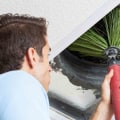
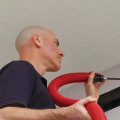
Air duct cleaning is a crucial maintenance task that involves the thorough cleaning of various components of your heating, ventilation, and air conditioning (HVAC) system. This process primarily focuses on the supply and return air ducts, which are responsible for circulating air throughout your home. Over time, these ducts can accumulate dust, dirt, allergens, and other contaminants that can significantly impact indoor air quality. By ensuring that your air ducts are clean and free from debris, you can create a healthier living environment for you and your family.One of the primary benefits of regular air duct cleaning is the improvement in indoor air quality.
Contaminants such as mold spores, pet dander, and pollen can easily circulate through your home if not properly addressed. When you invest in professional air duct cleaning services, you are taking a proactive step towards eliminating these harmful particles from your indoor environment. This is especially important for individuals with allergies or respiratory conditions, as clean air ducts can help alleviate symptoms and promote overall well-being.Moreover, maintaining pristine ducts not only enhances air quality but also contributes to the efficiency of your HVAC system. When dust and debris build up within the ducts, it forces the system to work harder to maintain desired temperatures.
This increased strain can lead to higher energy bills and a shorter lifespan for your HVAC equipment. By scheduling regular cleanings, you can ensure that your system operates smoothly and efficiently, ultimately saving you money in the long run.In summary, understanding the importance of air duct cleaning is essential for any homeowner looking to improve their indoor environment. The benefits extend beyond just cleaner air; they encompass energy efficiency and overall system performance as well. As we delve deeper into this topic, we will explore the specific advantages of maintaining clean air ducts and how they contribute to a healthier home.
Why Regular Air Duct Cleaning is Essential
Maintaining a clean and efficient air duct system is not just a matter of convenience; it is essential for the overall health and well-being of your household.Regular air duct cleaning offers numerous benefits that can significantly enhance your living environment.
Health Benefits
One of the primary reasons to prioritize air duct cleaning is the health benefits it provides. Over time, dust, allergens, and other contaminants accumulate in your ducts, which can lead to poor indoor air quality. This is particularly concerning for individuals with respiratory issues, allergies, or asthma. By ensuring that your air ducts are clean, you can:
- Reduce the presence of allergens such as pollen, pet dander, and mold spores.
- Minimize the risk of respiratory problems and other health issues.
- Create a healthier living environment for children and elderly family members who may be more susceptible to air quality issues.
Energy Efficiency
Another significant advantage of regular air duct cleaning is improved energy efficiency.
When dust and debris build up in your ducts, it can obstruct airflow, forcing your heating and cooling systems to work harder to maintain the desired temperature. This not only leads to increased energy consumption but also results in higher utility bills. By keeping your ducts clean, you can:
- Enhance the efficiency of your HVAC system.
- Lower energy costs by reducing the workload on your heating and cooling units.
- Extend the lifespan of your HVAC system by preventing unnecessary strain.
Improved Air Quality
Clean air ducts contribute significantly to better indoor air quality. When your ducts are free from dust and contaminants, the air circulating throughout your home is cleaner and fresher.
This can lead to:
- A more comfortable living environment with less dust settling on surfaces.
- A reduction in unpleasant odors that may arise from mold or mildew growth within dirty ducts.
- An overall enhancement in the quality of life for you and your family.
Health Benefits of Clean Air Ducts
Maintaining pristine duct systems is crucial for ensuring a healthy indoor environment. One of the most significant benefits of regular air duct cleaning is the improvement of respiratory health.Over time, dust, pollen, pet dander, and other allergens can accumulate in your air ducts, leading to poor air quality. When your HVAC system operates, these contaminants are circulated throughout your home, potentially triggering allergic reactions and respiratory issues.For individuals with pre-existing conditions such as asthma or allergies, the presence of these irritants can exacerbate symptoms. Regular cleaning of air ducts helps to:
- Reduce Allergens: By removing accumulated dust and debris, you can significantly decrease the number of allergens present in your home. This is particularly beneficial for those who suffer from seasonal allergies or have sensitivities to specific airborne particles.
- Minimize Irritants: In addition to allergens, air ducts can harbor irritants like mold spores and bacteria.
These microorganisms can thrive in damp environments and contribute to respiratory problems. Cleaning your ducts helps eliminate these harmful agents.
- Improve Air Quality: Clean air ducts contribute to better overall indoor air quality. When contaminants are removed, the air circulating through your home is fresher and healthier, promoting a more comfortable living environment.
By ensuring that your ducts remain clean and dry, you reduce the risk of mold proliferation.In summary, investing in regular air duct cleaning not only enhances the efficiency of your HVAC system but also plays a vital role in safeguarding your family's health. By maintaining pristine duct conditions, you create a cleaner, safer indoor environment that supports better respiratory health for everyone in your household.
Improving Energy Efficiency with Pristine Ducts
Maintaining pristine ducts is essential for enhancing the energy efficiency of your HVAC system. When air ducts are clogged with dust, debris, and other contaminants, they can significantly hinder airflow, forcing your heating and cooling systems to work harder than necessary. This increased workload not only leads to higher energy consumption but also results in inflated utility bills.Regular air duct cleaning can help mitigate these issues by ensuring that air can flow freely throughout your home.Here are some key ways in which clean ducts contribute to improved energy efficiency:
- Reduced Airflow Resistance: Clean ducts allow for unobstructed airflow, which means that your HVAC system can operate more efficiently. When air can move freely, the system doesn't have to exert extra energy to push air through blockages.
- Lower Energy Bills: With improved airflow and reduced strain on the HVAC system, homeowners often notice a decrease in their monthly energy bills. This reduction can be particularly significant during peak heating and cooling seasons.
- Extended Equipment Lifespan: An efficient HVAC system is less likely to experience wear and tear. By keeping ducts clean, you can prolong the life of your heating and cooling equipment, saving you money on repairs and replacements in the long run.
- Consistent Temperature Control: Clean ducts help maintain a more consistent temperature throughout your home.
This means that your HVAC system won't have to cycle on and off as frequently, further enhancing its efficiency.
Preventing Mold Growth in Air Ducts
Maintaining pristine ducts is crucial for preventing mold growth within your HVAC system.Mold thrives in damp, dark environments, making air ducts an ideal breeding ground if not properly maintained. When moisture accumulates in the ducts, it creates a perfect habitat for mold spores to settle and proliferate, leading to potential health risks for occupants.One of the primary causes of moisture in air ducts is inadequate ventilation and humidity control. If your home experiences high humidity levels, it is essential to address this issue promptly. Here are some effective strategies to prevent mold growth in your air ducts:
- Regular Cleaning: Schedule routine air duct cleaning to remove dust, debris, and any organic material that could serve as food for mold.
A thorough cleaning helps ensure that your ducts remain free from contaminants.
- Control Humidity: Use dehumidifiers in areas prone to moisture accumulation. Keeping indoor humidity levels below 60% can significantly reduce the likelihood of mold growth.
- Inspect for Leaks: Regularly check your ductwork for leaks or damage that could allow moisture to enter. Sealing any gaps or cracks can help maintain a dry environment within the ducts.
- Ensure Proper Insulation: Insulating your ductwork can help prevent condensation from forming on the surface of the ducts, which can lead to moisture buildup.
- Maintain HVAC Systems: Regular maintenance of your heating and cooling systems ensures they operate efficiently and reduces the risk of excess moisture being introduced into the air ducts.
Mold can degrade the materials within the ducts and even spread throughout your home, affecting indoor air quality.In conclusion, by prioritizing regular air duct cleaning and implementing preventive measures, you can maintain a healthy indoor environment and protect your HVAC system from mold growth. Investing time and resources into keeping your air ducts clean will pay off in improved air quality and reduced health risks for you and your family.
Enhancing Indoor Air Quality (IAQ)
Maintaining a healthy indoor environment is crucial for the well-being of everyone in your home. One of the most effective ways to enhance indoor air quality (IAQ) is through regular air duct cleaning. Over time, dust, allergens, and other pollutants can accumulate in your ductwork, leading to a range of health issues and discomfort.Understanding Indoor Air Quality
Indoor air quality refers to the condition of the air within your home and its impact on the health and comfort of occupants.
Poor IAQ can result from various factors, including inadequate ventilation, humidity levels, and the presence of contaminants such as mold, dust mites, and pet dander. These pollutants can trigger allergies, asthma attacks, and other respiratory problems.
The Role of Duct Cleaning in Improving IAQ
Regular air duct cleaning plays a vital role in improving IAQ by:
- Removing Dust and Allergens: Dust particles, pollen, and pet dander can easily circulate through your HVAC system. Cleaning your ducts helps eliminate these irritants, reducing allergy symptoms and promoting a healthier living space.
- Eliminating Mold Growth: Moisture can lead to mold growth within ducts. A thorough cleaning removes any existing mold and prevents future growth, ensuring that harmful spores do not enter your living areas.
- Reducing Odors: Accumulated debris in ducts can produce unpleasant odors that permeate your home.
Cleaning helps eliminate these sources of odor, resulting in fresher air.
- Enhancing HVAC Efficiency: Clean ducts allow for better airflow, which can improve the efficiency of your heating and cooling systems. This not only leads to lower energy bills but also contributes to a more comfortable indoor environment.
Benefits of Good Indoor Air Quality
Investing in regular duct cleaning offers numerous benefits for your home:
- Healthier Living Environment: Improved IAQ reduces the risk of respiratory issues and allergies, contributing to overall health.
- Increased Comfort: Clean air promotes a more comfortable atmosphere by regulating temperature and humidity levels effectively.
- Enhanced Productivity: Better IAQ can lead to improved focus and productivity for those working or studying at home.
Signs Your Air Ducts Need Cleaning
Recognizing the signs that your air ducts need cleaning is crucial for maintaining a healthy indoor environment. Over time, dust, allergens, and other contaminants can accumulate in your ductwork, leading to various issues.Here are some key indicators that it may be time to schedule a professional cleaning:
- Visible Dust and Debris: If you notice a significant buildup of dust around your home, particularly on vents and registers, this could indicate that your air ducts are dirty. A simple visual inspection can reveal whether dust is being blown into your living spaces.
- Increased Allergies or Respiratory Issues: If you or your family members experience heightened allergy symptoms, such as sneezing, coughing, or difficulty breathing, it may be linked to dirty air ducts. Contaminants trapped in the ducts can circulate through the air, exacerbating respiratory problems.
- Mold Growth: The presence of mold in your air ducts is a serious concern. If you see or smell mold near your vents or within the ductwork itself, it’s essential to address this issue immediately.
Mold can pose significant health risks and should be handled by professionals.
- Unpleasant Odors: Foul smells emanating from your HVAC system can indicate that something is amiss within the ducts. This could be due to accumulated debris or even dead pests. If you notice persistent odors when the system is running, it’s time to investigate further.
- Inconsistent Airflow: If certain rooms in your home are not receiving adequate airflow compared to others, this could suggest blockages within the ductwork. Cleaning the ducts can help restore balanced airflow throughout your home.
- Recent Renovations: If you’ve recently completed renovations or construction work in your home, dust and debris may have entered the duct system.
It’s advisable to have the ducts cleaned after such projects to prevent contaminants from circulating in your indoor air.
The Air Duct Cleaning Process Explained
Understanding the air duct cleaning process is essential for homeowners looking to maintain a healthy indoor environment. The process typically involves several key steps, each designed to ensure that your ductwork is thoroughly cleaned and free from contaminants.- Initial Inspection: The first step in the duct cleaning process is a comprehensive inspection of your HVAC system. Professionals will assess the condition of your ducts, looking for signs of dirt buildup, mold growth, or pest infestations.
This inspection helps determine the extent of cleaning required and identifies any potential issues that need addressing.
- Preparation: Before the actual cleaning begins, technicians will prepare the area. This includes covering vents and registers with protective materials to prevent dust and debris from escaping into your home. They may also set up a powerful vacuum system to create negative pressure within the ducts, ensuring that contaminants are effectively removed.
- Cleaning Process: The core of the air duct cleaning process involves using specialized tools to dislodge and remove dirt and debris from the duct surfaces. Technicians typically use rotary brushes, air whips, and compressed air nozzles to agitate the contaminants.
As these particles are loosened, they are sucked into the vacuum system, preventing them from re-entering your living space.
- Sanitization (if necessary): In some cases, especially if mold or bacteria are present, professionals may apply a safe antimicrobial treatment to sanitize the ducts. This step helps prevent future growth and ensures that your air quality remains pristine.
- Final Inspection: After cleaning, a final inspection is conducted to ensure that all areas have been adequately addressed. Technicians will check for any remaining debris and confirm that the system is functioning properly.
Choosing a Professional Air Duct Cleaning Service
When it comes to maintaining a healthy indoor environment, choosing the right professional air duct cleaning service is crucial.With numerous companies offering these services, it can be challenging to determine which one is the best fit for your needs. Here are some essential tips to help you make an informed decision.
Look for Certifications and Qualifications
Start by checking if the company holds certifications from recognized organizations such as the National Air Duct Cleaners Association (NADCA). This certification indicates that the company adheres to industry standards and best practices. Additionally, inquire about the qualifications of their technicians.Trained professionals should have a solid understanding of HVAC systems and duct cleaning techniques.
Read Reviews and Testimonials
Customer feedback can provide valuable insights into a company's reliability and quality of service. Look for reviews on reputable platforms such as Google, Yelp, or the Better Business Bureau. Pay attention to comments regarding punctuality, professionalism, and the effectiveness of their cleaning services. A company with consistently positive reviews is likely to deliver satisfactory results.Ask About Their Cleaning Process
Not all duct cleaning services use the same methods.It's essential to ask potential contractors about their cleaning process. A reputable company should use advanced equipment, such as powerful vacuums and specialized brushes, to ensure thorough cleaning. They should also follow a systematic approach that includes inspecting the ducts before and after cleaning.
Inquire About Insurance and Guarantees
Ensure that the company you choose is fully insured. This protects you from liability in case of accidents or damages during the cleaning process.Additionally, ask if they offer any guarantees on their work. A reliable service provider should stand behind their work and be willing to address any issues that may arise after the cleaning.
Get Multiple Quotes
Before making a final decision, obtain quotes from several companies. This will give you a better understanding of the average cost for air duct cleaning in your area. However, be cautious of prices that seem too good to be true; extremely low rates may indicate subpar service or hidden fees.By following these guidelines, you can confidently select a professional air duct cleaning service that meets your needs and helps maintain a pristine duct system in your home.<strong>FAQs about Air Duct Cleaning</strong>
When it comes to maintaining a healthy indoor environment, many homeowners have questions about air duct cleaning.Here are some frequently asked questions that can help clarify the importance and benefits of keeping your ducts in pristine condition.
What is air duct cleaning?
Air duct cleaning is the process of removing dust, debris, and other contaminants from the ductwork of your heating and cooling system. This includes both supply and return ducts, as well as other components like registers and grilles. The goal is to improve air quality and system efficiency.How often should I have my air ducts cleaned?
The frequency of air duct cleaning can vary based on several factors, including:- The presence of pets that shed hair and dander.
- Allergies or respiratory issues among household members.
- Recent renovations that may have introduced dust and debris into the system.
- Visible mold growth or pest infestations in the ducts.
What are the signs that my air ducts need cleaning?
There are several indicators that your air ducts may require cleaning:- Increased allergy symptoms: If you or your family members experience worsening allergies or respiratory issues, it may be due to contaminants in your ductwork.
- Visible dust accumulation: If you notice excessive dust on surfaces shortly after cleaning, it could be a sign that your ducts are dirty.
- Mold growth: Any visible mold inside or outside of your ducts should be addressed immediately.
- Pest infestations: Signs of rodents or insects in your ductwork can indicate a need for cleaning.
Can I clean my air ducts myself?
While some homeowners may attempt DIY duct cleaning, it is generally recommended to hire a professional service. Professionals have specialized equipment and training to effectively clean ducts without damaging them.Additionally, improper cleaning can lead to further contamination or even damage to your HVAC system.