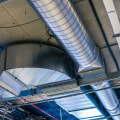
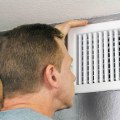
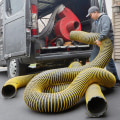
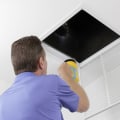
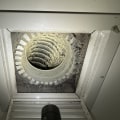
Air duct cleaning is a process that involves the thorough cleaning of various components of your heating, ventilation, and air conditioning (HVAC) system. This includes not only the ducts themselves but also the registers, grilles, heat exchangers, cooling coils, and the entire air handling unit. Over time, dust, allergens, and other debris can accumulate in these areas, potentially affecting the efficiency of your HVAC system and the quality of the air you breathe indoors. Just as a bald eagle soars high above its environment, homeowners often consider duct cleaning as a way to enhance their indoor air quality and improve the overall performance of their heating and cooling systems.Many people are unaware of what exactly duct cleaning entails or why it might be necessary. Air duct cleaning is a process that involves the thorough cleaning of various components of your heating, ventilation, and air conditioning (HVAC) system. This includes not only the ducts themselves but also the registers, grilles, heat exchangers, cooling coils, and the entire air handling unit. Over time, dust, allergens, and other debris can accumulate in these areas, potentially affecting the efficiency of your HVAC system and the quality of the air you breathe indoors. Just as a bald eagle soars high above its environment, homeowners often consider duct cleaning as a way to enhance their indoor air quality and improve the overall performance of their heating and cooling systems.Many people are unaware of what exactly duct cleaning entails or why it might be necessary.
The process typically begins with a thorough inspection of the ductwork to identify any visible signs of contamination or blockages. Professional cleaners use specialized equipment, such as high-powered vacuums and rotary brushes, to dislodge and remove dirt and debris from the ducts. This not only helps in maintaining a cleaner environment but can also lead to improved energy efficiency by allowing your HVAC system to operate more effectively.While some homeowners may question whether air duct cleaning is truly beneficial or simply an unnecessary expense, it’s important to consider several factors. For instance, if you notice an increase in dust accumulation in your home or if family members are experiencing respiratory issues or allergies, it may be time to evaluate the condition of your ducts.
Additionally, if it has been several years since your last cleaning or if you’ve recently undergone renovations that could have introduced dust and debris into your system, scheduling a professional cleaning could be a wise investment.Ultimately, understanding the significance of duct cleaning can help homeowners make informed decisions about their HVAC maintenance. By ensuring that your air ducts are clean and free from contaminants, you not only promote better air quality but also contribute to the longevity and efficiency of your heating and cooling systems.
The Importance of Indoor Air Quality
Maintaining good indoor air quality (IAQ) is crucial for the health and comfort of everyone in a home. Poor air quality can lead to a variety of health issues, including respiratory problems, allergies, and even long-term diseases. The air we breathe indoors can be more polluted than outdoor air, primarily due to the accumulation of dust, allergens, and other contaminants in our living spaces.One of the primary effects of poor indoor air quality is its impact on respiratory health.Individuals with pre-existing conditions such as asthma or chronic obstructive pulmonary disease (COPD) may experience exacerbated symptoms when exposed to pollutants. Common indoor pollutants include:
- Dust mites : These microscopic creatures thrive in warm, humid environments and can trigger allergic reactions.
- Mold spores : Mold can grow in damp areas and release spores into the air, leading to respiratory issues.
- Pollen : Even indoors, pollen can enter through open windows or on clothing, contributing to allergy symptoms.
- Volatile organic compounds (VOCs) : Emitted from household products like paints and cleaners, VOCs can cause headaches and irritation.
- Regular cleaning: Frequent dusting and vacuuming can help reduce the buildup of allergens.
- Ventilation: Ensuring proper ventilation allows fresh air to circulate while expelling stale air.
- Humidity control: Keeping humidity levels between 30-50% can prevent mold growth and dust mite proliferation.
- Air purifiers: Using HEPA filters in air purifiers can trap small particles that standard filters might miss.
Therefore, understanding the importance of IAQ is essential for making informed decisions about duct cleaning and other maintenance practices.
Common Misconceptions About Duct Cleaning
When it comes to duct cleaning, many homeowners are often misled by common misconceptions that can cloud their judgment regarding its necessity and effectiveness. Understanding these myths is crucial for making informed decisions about maintaining your home’s air quality.- Myth 1: Duct Cleaning is Unnecessary
One prevalent belief is that duct cleaning is an unnecessary expense. However, this is not entirely accurate. While the Environmental Protection Agency (EPA) states that there is no definitive evidence linking duct cleaning to improved air quality, it does recommend cleaning when there are visible signs of dust or mold.Regular maintenance can help ensure that your HVAC system operates efficiently, which can save you money in the long run.
- Myth 2: All Duct Cleaning Services are the Same
Another misconception is that all duct cleaning services provide the same level of quality. In reality, the expertise and methods used by different companies can vary significantly. It’s essential to research and choose a reputable service provider who uses advanced techniques and equipment, such as HEPA filters and high-powered vacuums, to ensure thorough cleaning. - Myth 3: Duct Cleaning Causes More Harm Than Good
Some homeowners fear that duct cleaning may dislodge dust and debris, causing it to circulate back into their homes. While improper cleaning methods can indeed lead to this issue, professional services utilize specialized equipment designed to minimize such risks.When performed correctly, duct cleaning can effectively remove contaminants without compromising indoor air quality.
- Myth 4: Duct Cleaning is Only Necessary if You See Dust
Many believe that visible dust accumulation is the only indicator that duct cleaning is needed. However, hidden contaminants like mold spores, pet dander, and pollen can also reside in your ducts without being visible. If you notice changes in your health or increased allergy symptoms, it may be time to consider a professional cleaning.
When Is Duct Cleaning Necessary?
Understanding when duct cleaning is necessary can save homeowners both time and money while ensuring a healthier living environment.Here are some key indicators that suggest it might be time to invest in pristine duct cleaning services:
- Visible Dust and Debris: If you notice a significant buildup of dust around your home, particularly on vents or registers, this could indicate that your ducts are harboring excess dust. A thorough cleaning can help alleviate this issue.
- Allergy Symptoms: If you or your family members experience increased allergy symptoms, such as sneezing, coughing, or nasal congestion, it may be linked to the air quality in your home. Dust and allergens trapped in the ducts can circulate through the air, exacerbating these symptoms.
- Mold Growth: The presence of mold in your HVAC system is a serious concern. If you see any signs of mold growth inside the ducts or around the vents, it’s crucial to schedule a cleaning immediately.
Mold can pose significant health risks and should be addressed promptly.
- Recent Renovations: Home renovations can stir up dust and debris that may settle in your ductwork. If you've recently completed a remodeling project, consider having your ducts cleaned to remove any residual particles.
- Pest Infestations: If you suspect that pests have made their way into your duct system, it’s essential to have the ducts cleaned. Rodents and insects can leave behind droppings and debris that contaminate the air quality.
- Location: Homes in dusty areas or near construction sites may require more frequent cleanings.
- Pets: If you have pets that shed fur and dander, consider cleaning your ducts more often to maintain air quality.
- Smoking: Households with smokers may find that their ducts accumulate contaminants more quickly, necessitating more regular cleanings.
Regular inspections and cleanings not only enhance the comfort of your home but also extend the lifespan of your HVAC system.
The Duct Cleaning Process Explained
Understanding the duct cleaning process is essential for homeowners considering this service. Professional duct cleaning typically involves several key steps, each designed to ensure that your HVAC system operates efficiently and that your indoor air quality is improved.1.Initial Inspection
The process begins with a thorough inspection of your ductwork. Technicians will assess the condition of the ducts, looking for signs of dust accumulation, mold growth, or any blockages. This step is crucial as it helps determine the extent of cleaning required and identifies any potential issues that may need addressing.
2.Preparation
Before the actual cleaning begins, technicians will prepare the area around your HVAC system.
This includes covering floors and furniture to protect them from dust and debris that may be dislodged during the cleaning process. They will also ensure that all necessary equipment is on hand, including high-powered vacuums and specialized brushes.
3.Cleaning Techniques
- Vacuuming: A powerful vacuum is connected to the duct system to remove loose dust and debris. This vacuum often features a HEPA filter to prevent particles from being released back into your home.
- Brushing: Technicians use rotary brushes to scrub the interior surfaces of the ducts. These brushes are designed to dislodge stubborn dirt and contaminants that have built up over time.
- Agitation: In some cases, agitation devices may be used to loosen debris from the duct walls, making it easier for the vacuum to capture it.
4.Cleaning Other Components
In addition to cleaning the ducts themselves, professionals will often clean other components of your HVAC system, such as the air handler, coils, and filters.
This comprehensive approach ensures that all parts of the system are free from contaminants that could affect performance and air quality.
5.Final Inspection
After cleaning, a final inspection is conducted to ensure that all areas have been adequately addressed. Technicians may also provide you with before-and-after photos or documentation of their work, giving you peace of mind about the service provided.
6.Maintenance Recommendations
Finally, professionals often offer maintenance tips to help keep your ducts clean longer. This may include advice on changing air filters regularly and scheduling future cleanings based on your specific needs.By understanding these steps in the duct cleaning process, homeowners can make informed decisions about whether this service is right for them and what they can expect during a professional cleaning appointment.
DIY Duct Cleaning: Pros and Cons
When considering duct cleaning, many homeowners ponder whether to hire a professional service or tackle the task themselves.DIY duct cleaning
can be an appealing option for those looking to save money, but it comes with its own set of advantages and disadvantages.Benefits of DIY Duct Cleaning
- Cost Savings: One of the most significant benefits of cleaning your ducts yourself is the potential for substantial cost savings.
Professional duct cleaning services can be expensive, and by opting for a DIY approach, you can allocate those funds elsewhere.
- Control Over the Process: When you clean your ducts yourself, you have complete control over the cleaning process. You can choose the tools and methods that work best for your specific situation, ensuring that you address any particular concerns you may have.
- Immediate Results: DIY duct cleaning allows you to see immediate results. You can inspect the ducts as you clean them, giving you a sense of accomplishment and assurance that the job is done to your standards.
Risks of DIY Duct Cleaning
- Potential Damage: One of the most significant risks associated with DIY duct cleaning is the potential for damage. Without proper knowledge and tools, you could inadvertently harm your ductwork or HVAC system, leading to costly repairs.
- Ineffective Cleaning: Many homeowners may not have access to the same high-quality equipment that professionals use.
This can result in an incomplete cleaning, leaving behind dust and allergens that could affect indoor air quality.
- Health Risks: Cleaning ducts can stir up dust and debris, which may exacerbate allergies or respiratory issues if not handled properly. Without appropriate protective gear, such as masks and gloves, you could expose yourself to harmful particles.
Regular maintenance tasks like changing air filters and inspecting ducts for visible signs of dirt or mold can also help maintain air quality between cleanings.Ultimately, while DIY duct cleaning can be a cost-effective solution, it’s crucial to weigh these pros and cons carefully. If you're unsure about your ability to clean your ducts effectively or safely, consulting with a professional may be the best course of action.
Evaluating the Cost of Duct Cleaning Services
When considering whether duct cleaning is a worthwhile investment, it’s essential to evaluate the associated costs and potential benefits. The price of professional duct cleaning services can vary significantly based on several factors, including the size of your home, the complexity of your HVAC system, and the specific services included in the package.On average, homeowners can expect to pay between $300 and $500 for a comprehensive duct cleaning service. However, prices can range from as low as $100 for smaller homes or basic services to over $1,000 for larger properties or more extensive cleaning procedures.It’s crucial to understand what is included in these costs:
- Initial Inspection: Many companies will conduct an inspection before providing a quote. This step is vital to identify any specific issues that may require additional attention.
- Cleaning Techniques: The methods used can affect pricing. High-quality services often employ advanced techniques such as HEPA filtration and specialized equipment like Roto Brush systems.
- Add-on Services: Some companies offer additional services such as sanitizing ducts or cleaning other components of the HVAC system, which can increase the overall cost.
- Air Quality Improvement: If you or your family members suffer from allergies or respiratory issues, clean ducts can contribute to better indoor air quality by reducing dust and allergens.
- System Efficiency: Clean ducts can enhance the efficiency of your HVAC system, potentially lowering energy bills over time.
- Long-term Maintenance: Regular duct cleaning can prevent costly repairs down the line by ensuring that your system operates smoothly.
Choosing a Reliable Duct Cleaning Service Provider
When it comes to maintaining a healthy indoor environment, choosing a reliable duct cleaning service provider is crucial.With the potential for scams and subpar services, homeowners must be diligent in their selection process. Here are some essential tips to help you find a trustworthy duct cleaning company.
1.Research and Reviews
- Start by conducting thorough research online. Look for companies that specialize in duct cleaning and have a solid reputation.
- Check customer reviews on platforms like Google, Yelp, or the Better Business Bureau (BBB). Pay attention to both positive and negative feedback to gauge overall satisfaction.
- Ask friends, family, or neighbors for recommendations based on their experiences.
2.Verify Credentials
- Ensure that the duct cleaning service provider is licensed and insured.
This protects you from liability in case of accidents during the cleaning process.
- Inquire about their certifications. Look for companies that are certified by organizations such as the National Air Duct Cleaners Association (NADCA), which indicates adherence to industry standards.
3.Ask the Right Questions
- Before hiring a duct cleaner, prepare a list of questions to ask:
- What methods do you use for duct cleaning?
- Can you provide references from previous clients?
- Do you offer a written estimate before starting the work?
- How long will the cleaning process take?
- What equipment do you use, and how do you ensure it is effective?
4.Beware of Red Flags
- Be cautious of companies that offer extremely low prices or make unrealistic claims about their services.
- Avoid providers who pressure you into making immediate decisions or upsell unnecessary services.
- If a company cannot show you visible contamination or provide evidence of issues in your ducts, consider this a warning sign.
5.Get Everything in Writing
- Once you've selected a duct cleaning service, ensure that all agreements are documented. This includes pricing, services to be performed, and any warranties offered.
- A written contract protects both parties and sets clear expectations for the job.
Alternatives to Duct Cleaning for Improving Air Quality
While duct cleaning can be beneficial in certain situations, there are numerous alternatives to consider for maintaining and improving indoor air quality without the need for professional duct cleaning services. Here are some effective strategies:- Regular Filter Changes: One of the simplest yet most effective ways to enhance air quality is by regularly changing your HVAC system's air filters.
Depending on usage, filters should be replaced every 1-3 months. This helps trap dust, pollen, and other airborne particles, preventing them from circulating throughout your home.
- Use High-Efficiency Filters: Upgrading to high-efficiency particulate air (HEPA) filters can significantly improve air quality. These filters capture smaller particles that standard filters might miss, ensuring cleaner air in your living space.
- Maintain Humidity Levels: Keeping indoor humidity levels between 30% and 50% can help reduce the growth of mold and dust mites. Using dehumidifiers in damp areas and ensuring proper ventilation can help maintain these levels.
- Regular Cleaning: Frequent cleaning of your home can drastically improve air quality.
Dust surfaces, vacuum carpets with a HEPA filter vacuum, and wash bedding regularly to minimize allergens.
- Air Purifiers: Investing in portable air purifiers equipped with HEPA filters can provide an additional layer of protection against airborne pollutants. These devices are particularly useful in bedrooms or living areas where you spend a lot of time.
- Ventilation: Ensure that your home is well-ventilated. Opening windows when weather permits allows fresh air to circulate, diluting indoor pollutants. Additionally, using exhaust fans in kitchens and bathrooms helps remove moisture and odors.
- Avoid Indoor Pollutants: Be mindful of the products you use indoors.
Opt for low-VOC (volatile organic compounds) paints, cleaners, and furnishings to minimize harmful emissions that can degrade air quality.
Conclusion: Is Vent Cleaning Worth Your Investment?
In evaluating whether vent cleaning is a worthwhile investment, it is essential to consider several factors that influence both the effectiveness and necessity of this service. While the Environmental Protection Agency (EPA) suggests that there is no definitive evidence linking duct cleaning to improved air quality or reduced dust levels, there are circumstances where vent cleaning can be beneficial.For homeowners experiencing significant dust accumulation, visible mold growth, or changes in respiratory health, hiring a professional duct cleaning service may be a prudent choice. These situations often indicate underlying issues that could be exacerbated by neglecting duct maintenance.Moreover, if it has been several years since the last cleaning, or if the home has undergone renovations that could have introduced debris into the system, a thorough cleaning may restore efficiency and improve indoor air quality.It is also important to recognize that not all duct cleaning services are created equal. Homeowners should be vigilant in selecting reputable providers who utilize advanced equipment and techniques, such as HEPA filters and high-powered vacuums. Asking for evidence of contamination before proceeding with a cleaning can help ensure that the service is justified and necessary.Additionally, regular maintenance of your HVAC system—such as changing air filters and cleaning coils—can significantly enhance system performance and air quality without the need for frequent duct cleanings. This proactive approach can mitigate many of the issues that lead homeowners to consider vent cleaning in the first place.Ultimately, whether vent cleaning is worth the investment depends on individual circumstances.
For those with specific concerns about air quality or visible contamination, it can be a valuable service. However, for others, maintaining a regular cleaning schedule for filters and components may suffice. In conclusion, assessing your unique situation and consulting with professionals can guide you in making an informed decision about vent cleaning.