In recent years, the topic of duct cleaning has gained significant attention, particularly as homeowners become increasingly aware of the importance of indoor air quality. The air we breathe inside our homes can be laden with various pollutants, allergens, and contaminants that may adversely affect our health. As a result, many people are turning to duct cleaning services in hopes of achieving a pristine duct system that promises cleaner air and improved well-being. However, amidst this growing interest lies a web of myths and misconceptions that can cloud judgment and lead to misguided decisions.One prevalent myth is the belief that duct cleaning is a routine maintenance task that should be performed regularly to ensure optimal air quality.
In reality, the necessity of duct cleaning varies from home to home and depends on several factors, including the presence of pets, smoking habits, and local environmental conditions. Understanding when and why to clean your ducts is crucial for making informed choices that genuinely benefit your indoor environment.Moreover, many homeowners are unaware that not all duct cleaning services are created equal. The effectiveness of these services can vary widely based on the techniques employed and the qualifications of the service provider. This inconsistency can lead to further confusion about the actual benefits of duct cleaning.
As we delve deeper into this topic, we will explore common myths surrounding duct cleaning, clarify the facts, and provide guidance on how to maintain a healthy indoor air quality without falling prey to misinformation.
Common Myths About Duct Cleaning
When it comes to duct cleaning, numerous myths and misconceptions can cloud the judgment of homeowners. Understanding the truth behind these myths is essential for making informed decisions about your indoor air quality. Here, we will explore some of the most common myths surrounding duct cleaning and provide factual information to debunk them.- Myth 1: Duct Cleaning Prevents Health Issues
Many believe that cleaning air ducts can prevent health problems, but research has not conclusively supported this claim. While clean ducts may contribute to better air quality, they are not a panacea for health issues.Most contaminants in the home come from sources like cooking, cleaning, and outdoor pollution, rather than from dirty ducts.
- Myth 2: Duct Cleaning is a Routine Maintenance Task
Another prevalent myth is that duct cleaning should be performed regularly, like changing air filters. In reality, duct cleaning is not a routine maintenance task and should only be done when necessary. The Environmental Protection Agency (EPA) suggests that duct cleaning is warranted only if there is visible mold growth or an infestation of vermin. - Myth 3: All Duct Cleaning Services are the Same
Not all duct cleaning services are created equal. Some companies may use inadequate methods that can actually worsen indoor air quality by releasing more dust and contaminants into your home.It’s crucial to choose a reputable service provider who follows industry standards and uses effective cleaning techniques.
- Myth 4: Duct Cleaning Will Improve Energy Efficiency
While some studies suggest that cleaning components of heating and cooling systems can enhance efficiency, there is little evidence to support the idea that simply cleaning ducts will yield significant energy savings. Factors such as system design and insulation play a more critical role in energy efficiency. - Myth 5: Duct Cleaning Eliminates Allergens
Many people assume that duct cleaning will eliminate allergens from their homes. However, while it may reduce some dust and debris, it does not eliminate all allergens. Regular cleaning practices, such as vacuuming and dusting, are more effective in managing allergens.
It’s essential to rely on factual information rather than misconceptions when considering whether to invest in duct cleaning services.
The Importance of Indoor Air Quality
Maintaining good indoor air quality is crucial for the health and well-being of everyone in a home. Poor air quality can lead to a variety of health issues, ranging from minor irritations to serious respiratory problems. Understanding the significance of indoor air quality is essential for homeowners, especially when considering factors like duct cleaning.Indoor air can be more polluted than outdoor air, primarily due to the accumulation of dust, allergens, and other contaminants. Common sources of indoor air pollution include:- Household cleaning products
- Cooking fumes
- Pet dander
- Dust mites
- Mold spores
- Formaldehyde from furniture and building materials
For individuals with pre-existing conditions, such as asthma or chronic obstructive pulmonary disease (COPD), the effects can be even more pronounced. Symptoms may include:
- Coughing and wheezing
- Shortness of breath
- Fatigue
- Irritated eyes, nose, or throat
- Headaches
- Regular Duct Cleaning: While not a routine maintenance task, cleaning ducts when necessary can help remove accumulated dust and allergens that circulate through the home.
- Ventilation: Ensuring proper ventilation helps dilute indoor pollutants. Opening windows or using exhaust fans can significantly improve air circulation.
- Air Purifiers: Investing in high-quality air purifiers can help filter out harmful particles from the air.
- Humidity Control: Maintaining optimal humidity levels (between 30-50%) can prevent mold growth and reduce dust mites.
- Regular Maintenance: Keeping heating and cooling systems well-maintained ensures they operate efficiently and do not contribute to poor air quality.
When Is Duct Cleaning Necessary?
Understanding when duct cleaning is necessary is crucial for maintaining a healthy indoor environment.While not every home requires frequent duct cleaning, there are specific signs that indicate it may be time to schedule a professional service. Recognizing these signs can help you ensure that your air ducts remain in pristine condition.
Signs of Dirty Ducts
- Visible Dust and Debris: If you notice dust accumulating around your vents or on the surfaces of your home, it may be a sign that your ducts are dirty. This dust can circulate throughout your living space, affecting air quality.
- Unpleasant Odors: Foul smells emanating from your HVAC system can indicate mold growth or other contaminants within the ducts. If you detect musty or stale odors, it’s time to investigate further.
- Increased Allergies or Respiratory Issues: If you or your family members experience heightened allergy symptoms, asthma attacks, or other respiratory problems, dirty ducts could be a contributing factor.
Pollutants trapped in the ducts can exacerbate these conditions.
- Inconsistent Airflow: If certain rooms in your home feel stuffy or receive less airflow than others, it may be due to blockages in the ductwork. Cleaning the ducts can help restore balanced airflow throughout your home.
- Pest Infestations: The presence of insects or rodents in your duct system is a clear sign that cleaning is necessary. These pests can leave behind droppings and debris that contaminate the air.
Duct Cleaning Frequency
The frequency of duct cleaning largely depends on various factors, including the age of your home, the presence of pets, and local environmental conditions. Generally, it is recommended to have your ducts cleaned every 3 to 5 years.
However, if you notice any of the signs mentioned above, it’s wise to schedule a cleaning sooner.Additionally, homes with pets may require more frequent cleanings due to pet hair and dander accumulating in the ducts. Similarly, if you live in an area with high levels of dust or pollen, more regular maintenance may be necessary to keep your air quality at its best.Ultimately, being proactive about duct maintenance can lead to improved air quality and energy efficiency in your home. If you suspect that your ducts are dirty or if you’re unsure about their condition, consulting with a professional can provide clarity and ensure that your indoor environment remains healthy and comfortable.
The Duct Cleaning Process Explained
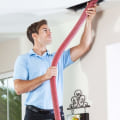
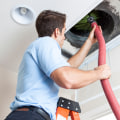
Understanding the duct cleaning process is essential for homeowners considering this service. A professional duct cleaning typically involves several key steps designed to ensure thorough cleaning and maintenance of your HVAC system.1.Initial Inspection
- The process begins with a comprehensive inspection of your ductwork.
Technicians will assess the condition of the ducts, looking for signs of dust buildup, mold, or any obstructions.
- They may use specialized cameras to get a clear view inside the ducts, allowing them to identify problem areas that require more attention.
2.Preparation
- Before cleaning begins, technicians will prepare the area by covering vents and registers to prevent dust from spreading throughout your home.
- They will also set up their equipment, which typically includes powerful vacuums and air compressors designed specifically for duct cleaning.
3.Cleaning Process
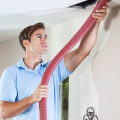
- The actual cleaning involves using high-powered vacuums to remove dust and debris from the ducts. Technicians may use rotary brushes or air whips to dislodge stubborn particles stuck to the duct walls.
- In some cases, they may also apply a mild disinfectant or antimicrobial treatment to eliminate any lingering bacteria or mold spores.
4.System Component Cleaning
- A thorough duct cleaning service often includes cleaning other components of your HVAC system, such as the blower motor, coils, and drain pans. This step is crucial for maintaining overall system efficiency.
- Cleaning these components can help improve airflow and reduce energy costs, ensuring your system operates at peak performance.
5.Final Inspection and Reporting
- After the cleaning is complete, technicians will conduct a final inspection to ensure all areas have been adequately cleaned. They may provide you with before-and-after photos or a report detailing their findings.
- This transparency helps homeowners understand the value of the service and any potential issues that may need addressing in the future.
It’s essential to choose a reputable provider who follows industry standards to ensure your ducts are cleaned effectively and safely.
Potential Risks of Improper Duct Cleaning
While duct cleaning can offer benefits, it is crucial to recognize the potential risks associated with improper practices. Engaging unqualified or inexperienced service providers can lead to a range of issues that may compromise your indoor air quality and the efficiency of your HVAC system.1.Release of Contaminants
One of the most significant risks of improper duct cleaning is the potential release of dust, dirt, and other contaminants back into your home. If a service provider does not use adequate vacuum collection systems, they may inadvertently disturb settled particles, causing them to become airborne. This can exacerbate allergies and respiratory issues for occupants, particularly those with pre-existing conditions.
2.Damage to Ductwork
Inexperienced technicians may not understand the intricacies of your duct system.
Improper cleaning techniques can lead to physical damage, such as:
- Crushed ducts: Excessive force or incorrect tools can crush flexible ducts, leading to airflow restrictions.
- Disconnected joints: Poor handling may cause duct joints to become loose or disconnected, resulting in energy loss and reduced efficiency.
- Scratches and tears: Using inappropriate brushes or tools can scratch or tear duct surfaces, creating areas where dust and debris can accumulate more easily.
3.Increased Energy Costs
If your ductwork is damaged or improperly cleaned, it can lead to increased energy consumption. A compromised system may have to work harder to maintain desired temperatures, resulting in higher utility bills.
4.Chemical Exposure
Some service providers may recommend the use of chemical biocides or treatments to eliminate microbial contaminants. However, these chemicals can pose health risks if not used correctly. It is essential to ensure that any products used are safe for indoor environments and that they are applied following proper guidelines.
Choosing a Qualified Duct Cleaner
To mitigate these risks, it is vital to choose a reputable duct cleaning service.
Here are some tips for selecting a qualified provider:
- Check credentials: Ensure that the company has proper licensing and certifications in duct cleaning.
- Read reviews: Look for customer testimonials and reviews online to gauge the quality of their services.
- Ask about methods: Inquire about their cleaning methods and equipment to ensure they follow industry standards.
- Get estimates: Obtain written estimates from multiple providers to compare pricing and services offered.
Alternative Solutions for Improving Indoor Air Quality
While duct cleaning is often discussed in the context of improving indoor air quality, there are numerous alternative solutions that can effectively enhance the air you breathe without the need for extensive ductwork interventions. Understanding these options can empower homeowners to make informed decisions about their indoor environments.One of the most effective methods for improving indoor air quality is the use of air purifiers. These devices are designed to filter out pollutants, allergens, and other harmful particles from the air. When selecting an air purifier, consider the following:- HEPA Filters: Look for models equipped with High-Efficiency Particulate Air (HEPA) filters, which can capture 99.97% of particles as small as 0.3 microns.
- Activated Carbon: Some purifiers also include activated carbon filters that can absorb odors and volatile organic compounds (VOCs).
- Room Size: Ensure the purifier is suitable for the size of the room where it will be used.
High humidity can promote mold growth and dust mites, while low humidity can lead to dry skin and respiratory issues. To manage humidity:
- Use Dehumidifiers: In areas prone to excess moisture, such as basements, dehumidifiers can help maintain a comfortable humidity level.
- Ventilation: Ensure proper ventilation in bathrooms and kitchens to reduce moisture buildup.
Regular cleaning
is also crucial for maintaining good indoor air quality. Dusting surfaces, vacuuming carpets with HEPA-filtered vacuums, and washing bedding regularly can significantly reduce allergens in your home.Additionally, consider incorporating houseplants into your living space. Certain plants, such as spider plants and peace lilies, are known for their air-purifying properties and can help absorb toxins while adding aesthetic value to your home.Finally, be mindful of the products you use in your home.
Opt for low-VOC paints, cleaning supplies, and furnishings to minimize the introduction of harmful chemicals into your indoor environment. By exploring these alternative solutions, you can create a healthier living space that promotes well-being without solely relying on duct cleaning.
Frequently Asked Questions About Duct Cleaning
When it comes to duct cleaning , many homeowners have questions that stem from misconceptions and a lack of information. Here, we address some of the most frequently asked questions to help clarify your understanding of duct cleaning and its impact on indoor air quality.- What is duct cleaning?
Duct cleaning involves the removal of dust, dirt, and other contaminants from the ductwork of your heating and cooling systems. This process can help improve airflow and may enhance the efficiency of your HVAC system. - How often should I clean my ducts?
The frequency of duct cleaning can vary based on several factors, including the presence of pets, smoking in the home, or recent renovations.Generally, it is recommended to have your ducts inspected every 3 to 5 years. If you notice excessive dust or allergens in your home, it may be time for a cleaning.
- Can duct cleaning improve indoor air quality?
While cleaning ducts can help reduce dust and allergens circulating in your home, it is not a guaranteed solution for improving indoor air quality. Other factors, such as ventilation and humidity control, play significant roles in maintaining a healthy environment. - Is duct cleaning necessary if I have a new HVAC system?
Even with a new system, dust and debris can accumulate in the ducts over time. It’s advisable to have them cleaned if you notice any signs of buildup or if you’ve recently completed construction work in your home. - Are there any risks associated with duct cleaning?
If performed improperly, duct cleaning can potentially release more dust and contaminants into your home than it removes.It’s crucial to hire a reputable service provider who follows industry standards to ensure safe and effective cleaning.
- What should I look for in a duct cleaning service?
When selecting a duct cleaning service, consider their experience, customer reviews, and whether they follow guidelines set by organizations like the National Air Duct Cleaners Association (NADCA). A thorough inspection before cleaning is also essential.
Conclusion: The Realities of Duct Cleaning and Indoor Air Quality
In summary, understanding the realities of duct cleaning is essential for homeowners who wish to maintain a healthy indoor environment. Throughout this article, we have explored various myths and misconceptions surrounding duct cleaning, emphasizing the need for a well-informed approach to indoor air quality.One of the most significant takeaways is that while pristine duct systems can contribute to better air quality, they are not a panacea for all indoor air issues.The presence of dust and contaminants in ducts does not automatically translate to health risks, as many particles remain adhered to duct surfaces and do not circulate into living spaces. It is crucial to recognize that other sources of indoor pollution, such as cooking, cleaning products, and outdoor air quality, often play a more substantial role in affecting the air we breathe.Moreover, the Environmental Protection Agency (EPA) advises that duct cleaning should not be a routine maintenance task but rather performed only when necessary. This means that homeowners should be vigilant about their indoor air quality and consider duct cleaning if they notice significant dust buildup or experience unexplained health symptoms. However, it is equally important to address underlying issues that may contribute to poor air quality before resorting to duct cleaning.When considering duct cleaning services, selecting a reputable provider is paramount.
A qualified technician will ensure that all components of the heating and cooling system are cleaned properly without causing further contamination or damage. Homeowners should also be cautious about the use of chemical treatments, as these have not been thoroughly researched and may pose additional risks if not applied correctly.Ultimately, maintaining good indoor air quality involves a holistic approach that goes beyond just cleaning ducts. Regular maintenance of HVAC systems, using high-quality air filters, and ensuring proper ventilation are all critical components in achieving a healthier home environment. By debunking common myths about duct cleaning and focusing on comprehensive strategies for improving indoor air quality, homeowners can make informed decisions that benefit their health and well-being.