Air ducts are an essential component of any heating, ventilation, and air conditioning (HVAC) system, serving as the pathways through which conditioned air circulates throughout a building. These ducts are typically made from a variety of materials, including sheet metal, fiberglass, or flexible plastic, and they play a crucial role in maintaining a comfortable indoor environment. To keep these ducts functioning optimally, using the best cleaning agent is vital. By effectively distributing heated or cooled air, air ducts help regulate temperature and humidity levels, ensuring that every room in a home or office receives adequate airflow.However, the importance of air ducts extends beyond mere temperature control. Air ducts are an essential component of any heating, ventilation, and air conditioning (HVAC) system, serving as the pathways through which conditioned air circulates throughout a building. These ducts are typically made from a variety of materials, including sheet metal, fiberglass, or flexible plastic, and they play a crucial role in maintaining a comfortable indoor environment. To keep these ducts functioning optimally, using the best cleaning agent is vital. By effectively distributing heated or cooled air, air ducts help regulate temperature and humidity levels, ensuring that every room in a home or office receives adequate airflow.However, the importance of air ducts extends beyond mere temperature control.
They significantly impact indoor air quality , which is vital for the health and well-being of occupants. When air ducts are clean and well-maintained, they facilitate the circulation of fresh air while minimizing the presence of allergens, dust, and other pollutants. Conversely, dirty or poorly maintained ducts can become a breeding ground for harmful microorganisms and contaminants that can compromise indoor air quality.Understanding the role of air ducts in our living spaces is essential for recognizing how they affect our health. Many people underestimate the significance of these systems, often overlooking the potential consequences of neglecting their maintenance.
As we delve deeper into the myths and facts surrounding dirty air ducts, it becomes clear that maintaining As we delve deeper into the myths and facts surrounding dirty air ducts, it becomes clear that maintaining pristine duct conditions is not just about comfort; it’s about safeguarding our health and enhancing our quality of life.
Common Myths About Dirty Air Ducts
When it comes to dirty air ducts, numerous myths and misconceptions abound, leading many homeowners to make decisions based on misinformation. Understanding these myths is crucial for maintaining a healthy indoor environment and making informed choices about air duct cleaning.- Myth 1: Dirty Air Ducts Are the Primary Source of Indoor Pollution
Many people believe that dirty air ducts are the main culprits behind poor indoor air quality. While it’s true that air ducts can harbor dust, mold, and other contaminants, they are not the sole source of indoor pollution. Everyday activities such as cooking, cleaning, and even using personal care products can introduce pollutants into the air.In fact, studies have shown that outdoor air can also significantly impact indoor air quality.
- Myth 2: Cleaning Air Ducts Is Always Necessary
Another common misconception is that regular cleaning of air ducts is essential for everyone. The truth is that not all homes require frequent duct cleaning. Factors such as the presence of pets, recent renovations, or water damage may necessitate cleaning, but for many households, routine maintenance may suffice. It’s important to assess your specific situation rather than adhering to a one-size-fits-all approach. - Myth 3: Air Duct Cleaning Prevents Health Issues
Some homeowners believe that cleaning their air ducts will prevent health problems.However, there is no conclusive evidence to support this claim. While clean ducts can contribute to better airflow and efficiency in heating and cooling systems, they do not guarantee improved health outcomes. If health issues arise, it’s essential to consider other factors such as allergens in the home or underlying medical conditions.
- Myth 4: All Air Duct Cleaning Services Are the Same
Not all air duct cleaning services are created equal. Some companies may use inadequate methods or fail to clean all components of the HVAC system effectively.Homeowners should research and choose reputable service providers who adhere to industry standards to ensure thorough cleaning without causing damage.
The Real Impact of Dirty Air Ducts on Health
Dirty air ducts can significantly impact indoor air quality, leading to a range of health issues that often go unnoticed until they become severe. Understanding the health effects of dirty air ducts is crucial for maintaining a safe and healthy living environment.One of the primary concerns associated with unclean air ducts is the exacerbation of respiratory issues. When dust, mold, and other contaminants accumulate in the ducts, they can be circulated throughout your home every time the heating or cooling system operates.This can lead to symptoms such as:
- Coughing
- Wheezing
- Shortness of breath
- Chest tightness
- Increased asthma attacks
- Sneezing
- Runny or stuffy nose
- Itchy eyes
- Skin rashes
Mold spores can become airborne and lead to serious health risks, including respiratory infections and other complications. Individuals with weakened immune systems or allergies are especially vulnerable to these health threats.In addition to respiratory problems and allergies, dirty air ducts can also affect overall well-being. Poor indoor air quality has been linked to fatigue, headaches, and even cognitive impairments. The cumulative effect of these health issues underscores the importance of maintaining pristine duct systems.To mitigate these risks, regular inspection and cleaning of air ducts are recommended.
By ensuring that your ductwork is clean and free from contaminants, you can significantly improve indoor air quality and protect your family's health.
Signs That Your Air Ducts May Need Cleaning
Recognizing the signs that your air ducts may need cleaning is crucial for maintaining a healthy indoor environment. Ignoring these signs can lead to poor air quality and potential health issues. Here are some key indicators that your air ducts might require attention:- Increased Allergies or Respiratory Issues: If you or your family members are experiencing heightened allergy symptoms, such as sneezing, coughing, or nasal congestion, it may be a sign that your air ducts are harboring dust, mold, or other allergens. These contaminants can circulate through your home, exacerbating respiratory problems.
- Visible Dust Accumulation: Take a look at the vents and registers in your home.
If you notice a significant buildup of dust around these areas, it’s a clear indication that your air ducts may be dirty. Dust accumulation not only affects air quality but can also reduce the efficiency of your heating and cooling systems.
- Mold Growth: If you see mold growing inside or around your air ducts, it’s essential to address this issue immediately. Mold can pose serious health risks, especially for individuals with compromised immune systems. If you suspect mold presence, consider having your ducts inspected and cleaned by professionals.
- Unpleasant Odors: Foul smells emanating from your HVAC system can indicate that there is something decaying or contaminated within the ducts.
This could be due to mold, mildew, or even dead pests. If you notice persistent odors when the system is running, it’s time to investigate further.
- Inconsistent Airflow: If certain rooms in your home feel stuffy or do not receive adequate airflow compared to others, it could be a sign of blockages in the ductwork. Dirty ducts can restrict airflow, leading to uneven heating and cooling throughout your home.
- Increased Energy Bills: A sudden spike in your energy bills may indicate that your HVAC system is working harder than necessary due to dirty air ducts. When airflow is restricted, the system has to compensate by running longer, which can lead to higher energy consumption.
Regular maintenance not only improves indoor air quality but also enhances the efficiency of your heating and cooling systems.
The Role of the EPA in Air Duct Cleaning Guidelines
The Environmental Protection Agency (EPA) plays a crucial role in establishing guidelines and recommendations for maintaining indoor air quality, including the cleaning of air ducts. While the EPA acknowledges the importance of clean air for health and well-being, it also emphasizes that the understanding of air duct cleaning is still evolving.According to the EPA, there are no specific regulations mandating regular air duct cleaning. Instead, they recommend that homeowners assess their individual situations to determine if cleaning is necessary. The agency suggests that air ducts should be cleaned when:- There is visible mold growth inside the ducts or on other components of the heating and cooling system.
- There is an infestation of vermin, such as rodents or insects.
- Dust and debris are significantly obstructing airflow.
For instance, activities such as cooking, smoking, and using certain cleaning products can introduce pollutants into the home. Therefore, maintaining good indoor air quality involves a holistic approach rather than solely focusing on duct cleaning.The EPA also highlights the importance of proper maintenance of heating and cooling systems. Regularly changing filters, ensuring adequate ventilation, and controlling humidity levels are essential practices that can significantly improve indoor air quality. These measures can help prevent contaminants from accumulating in air ducts in the first place.Furthermore, when considering air duct cleaning services, the EPA recommends selecting qualified professionals who adhere to industry standards.
Homeowners should be cautious of companies that make exaggerated claims about the health benefits of duct cleaning or those that suggest frequent cleanings without a thorough assessment of the system's condition.In summary, while the EPA does not provide a one-size-fits-all recommendation for air duct cleaning, it encourages homeowners to stay informed about their indoor environments. By understanding when cleaning is necessary and implementing preventive measures, individuals can contribute to a healthier living space.
Best Practices for Maintaining Pristine Ducts
Maintaining pristine ducts is essential for ensuring optimal indoor air quality and the efficient operation of your HVAC system. Here are some practical tips to help you keep your air ducts clean and well-maintained:- Regular Inspections: Schedule routine inspections of your air ducts at least once a year. Look for signs of dust buildup, mold growth, or any obstructions that could hinder airflow.
- Change Air Filters: Replace or clean your HVAC system's air filters every 1-3 months, depending on usage.
Clean filters trap dust and allergens, preventing them from entering your ducts.
- Seal Ducts Properly: Ensure that all duct joints are sealed with appropriate materials to prevent air leaks. This not only keeps your ducts clean but also improves energy efficiency.
- Control Humidity Levels: Maintain indoor humidity levels between 30-50%. High humidity can lead to mold growth in your ducts, while low humidity can cause dust to become airborne.
- Keep Vents Clear: Regularly check and clean the vents in each room. Ensure that furniture or other objects do not obstruct airflow, which can lead to uneven heating or cooling.
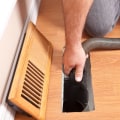
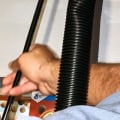
- Use a Vacuum with HEPA Filter: When cleaning around vents and registers, use a vacuum equipped with a HEPA filter to capture fine particles and prevent them from re-entering the air.
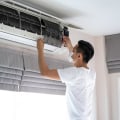
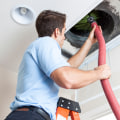
- Consider Professional Cleaning: If you notice significant dust buildup or mold in your ducts, consider hiring a professional duct cleaning service.
They have specialized equipment and expertise to thoroughly clean your system.
When to Hire a Professional for Air Duct Cleaning
Determining when to hire a professional for air duct cleaning can be a crucial decision for maintaining a healthy indoor environment. While some homeowners may consider DIY methods, there are specific scenarios where professional intervention is not only beneficial but necessary.Signs You Should Consider Professional Air Duct Cleaning
- Visible Mold Growth: If you notice mold growing inside your air ducts or on other components of your heating and cooling system, it’s essential to call in professionals. Mold can pose serious health risks, and specialized cleaning is required to ensure it is completely removed.
- Excessive Dust and Debris: If you find that dust accumulates quickly in your home despite regular cleaning, it may indicate that your air ducts are clogged with dirt and debris.
Professionals have the tools and expertise to thoroughly clean these systems.
- Unpleasant Odors: Foul smells emanating from your vents can signal the presence of contaminants or mold. A professional service can identify the source of the odor and eliminate it effectively.
- Allergy Symptoms: If you or your family members experience increased allergy symptoms such as sneezing, coughing, or respiratory issues, dirty air ducts could be a contributing factor. Hiring professionals can help improve your indoor air quality.
- Recent Renovations: Home renovations can introduce dust and debris into your ductwork. After significant construction work, it’s wise to have your ducts cleaned to remove any residual particles.
Benefits of Professional Air Duct Cleaning
Engaging a professional air duct cleaning service offers several advantages:
- Thorough Cleaning: Professionals use advanced equipment and techniques that ensure a deep clean of all components of your HVAC system, including the ducts, registers, and blower.
- Healthier Indoor Air Quality: By removing dust, allergens, and contaminants from your air ducts, professionals help improve the overall air quality in your home, which is especially beneficial for individuals with allergies or respiratory conditions.
- Increased Energy Efficiency: Clean air ducts allow your HVAC system to operate more efficiently, potentially lowering energy bills and extending the lifespan of your equipment.
- Expertise and Experience: Professional duct cleaners are trained to identify issues that may not be apparent to homeowners.
Their expertise ensures that any underlying problems are addressed promptly.
Conclusion: The Path to Pristine Ducts and Healthy Indoor Air Quality
In conclusion, the journey towards achieving pristine duct systems and ensuring healthy indoor air quality is multifaceted and requires a nuanced understanding of the facts surrounding air duct cleanliness. Throughout this article, we have explored the myths and realities associated with dirty air ducts, emphasizing that while they can contribute to poor air quality, they are not the sole culprits of health issues.It is essential to recognize that maintaining clean air ducts is just one aspect of a broader strategy for enhancing indoor air quality. Here are some key takeaways:- Understanding Contaminants: Dirty air ducts can harbor dust, mold, and other pollutants that may affect your health.
However, these contaminants can also enter your home through various other sources, such as outdoor air, cooking, and cleaning activities.
- Regular Maintenance: While there is no definitive evidence that cleaning air ducts prevents health problems, regular maintenance of your heating and cooling systems is crucial. This includes changing filters and ensuring that your HVAC system is functioning efficiently.
- Professional Cleaning: If you choose to clean your air ducts, ensure that you hire qualified professionals who adhere to industry standards. Proper cleaning techniques are vital to avoid releasing more contaminants into your living space.
- Monitoring Symptoms: If you or your family members experience unexplained health symptoms, it’s important to consult with a healthcare professional. They can help determine whether indoor air quality may be a contributing factor.
By focusing on prevention—such as controlling moisture levels, using high-quality air filters, and maintaining your HVAC system—you can significantly improve the air you breathe at home. Remember that every home is unique; therefore, tailor your strategies to fit your specific environment and needs.In summary, while dirty air ducts can play a role in indoor air quality issues, they are part of a larger picture. By staying informed and taking appropriate actions, you can create a healthier living environment for you and your family.