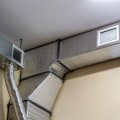
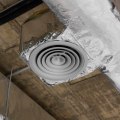
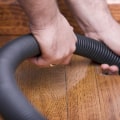
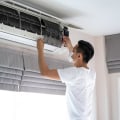
Air ducts are an essential component of any heating, ventilation, and air conditioning (HVAC) system, serving as the pathways through which conditioned air circulates throughout a building. These ducts are typically made from a variety of materials, including sheet metal, fiberglass, or flexible plastic, and they play a crucial role in maintaining a comfortable indoor environment. Understanding the function and importance of air ducts is vital for homeowners and building managers alike, especially in the context of the Changing Landscape of Home Improvement, as they directly impact indoor air quality and overall energy efficiency.The primary purpose of air ducts is to transport heated or cooled air from the HVAC system to various rooms within a structure. This distribution ensures that every area receives adequate airflow, contributing to consistent temperatures and comfort levels. Air ducts are an essential component of any heating, ventilation, and air conditioning (HVAC) system, serving as the pathways through which conditioned air circulates throughout a building. These ducts are typically made from a variety of materials, including sheet metal, fiberglass, or flexible plastic, and they play a crucial role in maintaining a comfortable indoor environment. Understanding the function and importance of air ducts is vital for homeowners and building managers alike, especially in the context of the Changing Landscape of Home Improvement, as they directly impact indoor air quality and overall energy efficiency.The primary purpose of air ducts is to transport heated or cooled air from the HVAC system to various rooms within a structure. This distribution ensures that every area receives adequate airflow, contributing to consistent temperatures and comfort levels.
However, the effectiveness of this system can be compromised if the ducts become dirty or clogged with dust, debris, and other contaminants. Such obstructions not only hinder airflow but can also lead to increased energy consumption as the HVAC system works harder to maintain desired temperatures.Moreover, the condition of your air ducts significantly influences indoor air quality. Pollutants such as dust mites, mold spores, pet dander, and pollen can accumulate within the ductwork over time. When the HVAC system operates, these particles can be circulated back into living spaces, potentially causing respiratory issues and allergies among occupants.
Therefore, maintaining pristine duct conditions is not just about efficiency; it’s also about safeguarding health and well-being.In summary, understanding air ducts and their importance is crucial for anyone looking to improve their indoor environment. By ensuring that these systems are clean and functioning optimally, you can enhance both comfort and health in your home or workplace. As we delve deeper into the topic of cleaning air ducts, it becomes clear that this maintenance task is not merely a matter of aesthetics but a fundamental aspect of responsible home care.
The Science Behind Air Duct Cleaning
Understanding the science behind air duct cleaning is essential for homeowners who want to improve their indoor air quality. Over time, dust, allergens, and other pollutants can accumulate in your air ducts, leading to a range of potential health issues and decreased system efficiency.Air ducts serve as the pathways for heated or cooled air to circulate throughout your home.As air flows through these ducts, it can carry with it various particles, including:
- Dust: Common household dust consists of tiny particles from skin cells, fabric fibers, and other materials.
- Pollen: Seasonal allergens can enter your home through open windows and doors, settling in the ducts.
- Mold spores: If moisture accumulates in the ducts, it can create an environment conducive to mold growth.
- Pet dander: For pet owners, dander can significantly contribute to indoor air pollution.
- Smoke and chemical residues: Cooking smoke or chemical fumes from cleaning products can also find their way into the duct system.
Benefits of Cleaning Air Ducts
The potential benefits of cleaning air ducts are numerous:- Improved Air Quality: Regular cleaning can help remove accumulated dust and allergens, leading to cleaner air in your home.
- Enhanced System Efficiency: A clean duct system allows for better airflow, which can improve the efficiency of your HVAC system and lower energy costs.
- Reduced Allergens: By eliminating dust and other irritants from your ducts, you may experience fewer allergy symptoms.
- Mold Prevention: Cleaning helps reduce moisture buildup that can lead to mold growth within the ducts.
Common Misconceptions About Air Duct Cleaning
When it comes to air duct cleaning, numerous misconceptions can cloud the judgment of homeowners. Understanding these myths is crucial for making informed decisions about your home’s air quality and maintenance.Here are some of the most common misconceptions:
- Myth 1: Cleaning air ducts will significantly improve indoor air quality. While it’s true that clean air ducts can contribute to better air quality, they are not the sole factor. Many pollutants come from everyday activities such as cooking, cleaning, and even outdoor sources. Therefore, while cleaning ducts can help, it is not a panacea for all indoor air quality issues.
- Myth 2: Air duct cleaning is necessary every year. The frequency of duct cleaning should depend on various factors, including the presence of pets, smoking in the home, or recent renovations. The EPA does not recommend routine cleaning unless there are specific signs of contamination.
- Myth 3: All duct cleaning services are the same. This is far from the truth.
The effectiveness of duct cleaning can vary significantly based on the methods and equipment used by different service providers. It’s essential to choose a reputable company that follows industry standards.
- Myth 4: Cleaning ducts will eliminate all allergens. While cleaning can remove dust and debris, it cannot eliminate all allergens. Pollen, pet dander, and other particles can still circulate in your home through various means. Regular cleaning and maintenance of your home environment are necessary to manage allergens effectively.
- Myth 5: Ducts only get dirty if you have pets or smoke. Although these factors contribute to dirt accumulation, ducts can collect dust and debris from various sources regardless of lifestyle.
Even homes with minimal activity can have dust buildup over time.
When Is It Necessary to Clean Your Air Ducts?
Determining when to clean your air ducts can be a challenging task for many homeowners. While routine cleaning is not universally recommended, there are specific situations and signs that indicate it may be time to consider a thorough duct cleaning. Understanding these indicators can help you maintain a pristine duct system and ensure optimal indoor air quality.Signs You Need Duct Cleaning
- Visible Dust and Debris: If you notice a significant buildup of dust around your home, particularly on vents or registers, this could be a sign that your ducts are harboring excess dirt.
- Unpleasant Odors: Foul smells emanating from your HVAC system can indicate mold growth or other contaminants within the ducts.
If you detect musty or stale odors, it’s time to investigate further.
- Increased Allergies or Respiratory Issues: If you or your family members experience heightened allergy symptoms, asthma attacks, or other respiratory problems, dirty air ducts may be contributing to these issues by circulating allergens and pollutants.
- Recent Renovations: Home renovations can introduce dust and debris into your ductwork. If you've recently remodeled or had significant construction work done, consider having your ducts cleaned to remove any residual particles.
- Pest Infestation: The presence of rodents or insects in your home can lead to contamination in your duct system. If you suspect pests have invaded your ducts, cleaning is essential to eliminate any droppings or debris they may have left behind.
Duct Cleaning Frequency
The frequency of duct cleaning largely depends on various factors, including the environment of your home and the presence of pets or smokers. Generally, it is advisable to consider cleaning your air ducts every 3 to 5 years.However, if you notice any of the signs mentioned above, it may be prudent to schedule a cleaning sooner.Additionally, if you live in an area with high levels of dust or pollen, more frequent cleanings may be necessary. Homes with pets may also require more regular maintenance due to pet dander accumulating in the ducts. Ultimately, staying vigilant about the condition of your air ducts will help ensure that they remain clean and efficient.
The Process of Professional Air Duct Cleaning
Understanding the professional duct cleaning process is essential for homeowners considering this service. A thorough cleaning can enhance indoor air quality and improve the efficiency of your heating and cooling systems.Here’s a detailed look at what to expect during a professional air duct cleaning.
Initial Inspection
The process begins with a comprehensive inspection of your air duct system. Technicians will assess the condition of the ducts, looking for signs of dust buildup, mold, or any obstructions. This step is crucial as it helps determine the extent of cleaning required and identifies any potential issues that need addressing.
Preparation
Before the actual cleaning starts, technicians will prepare the area. This includes covering furniture and flooring to protect them from dust and debris that may be dislodged during the cleaning process.
They will also set up specialized equipment, such as vacuum systems designed to capture contaminants effectively.
Cleaning Techniques
There are several techniques used in air duct cleaning, including:
- Brush Cleaning: This method involves using rotating brushes to dislodge dirt and debris from the duct walls. It is particularly effective for removing stubborn buildup.
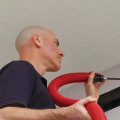
- Vacuum Cleaning: High-powered vacuums are employed to suck out dust and particles from the ducts. This method ensures that contaminants are removed from your home rather than just redistributed.
- Air Whip Cleaning: In this technique, compressed air is used to agitate dust and debris, allowing it to be easily vacuumed away. It’s especially useful in reaching difficult areas.
Post-Cleaning Inspection
After the cleaning is complete, technicians will conduct a follow-up inspection to ensure that all areas have been adequately cleaned.
They may also provide you with before-and-after photos to demonstrate the effectiveness of their work.
Final Steps
The final step involves sealing any access points that were opened during the cleaning process and ensuring that your HVAC system is functioning correctly. Technicians may also offer recommendations for maintaining clean ducts in the future, such as regular inspections and changing filters.By understanding these steps, homeowners can feel more confident in their decision to hire professional duct cleaning services, knowing what to expect throughout the process.
DIY vs. Professional Air Duct Cleaning: Pros and Cons
When it comes to maintaining a healthy indoor environment, the decision between DIY duct cleaning and hiring a professional service can be daunting. Each approach has its own set of advantages and disadvantages that homeowners should consider before making a choice.Pros of DIY Duct Cleaning
- Cost-Effective: One of the most significant benefits of DIY duct cleaning is the cost savings.
Homeowners can avoid the expense of hiring professionals by using readily available tools and cleaning supplies.
- Control Over the Process: DIY cleaning allows homeowners to control the entire process, from the cleaning methods used to the time spent on each task. This can lead to a sense of satisfaction and accomplishment.
- Flexibility: Homeowners can choose when to clean their ducts, fitting it into their schedules without needing to coordinate with a service provider.
Cons of DIY Duct Cleaning
- Lack of Expertise: Without professional training, homeowners may not know how to effectively clean ducts, potentially missing critical areas or using improper techniques that could damage the system.
- Limited Equipment: Professionals use specialized equipment that is often not available to the average homeowner. This equipment can provide a deeper clean and remove more debris than standard household tools.
- Time-Consuming: DIY cleaning can take significantly longer than anticipated, especially for those unfamiliar with the process. This can lead to frustration and incomplete cleaning.
Pros of Professional Air Duct Cleaning
- Thorough Cleaning: Professionals have access to advanced tools and techniques that ensure a comprehensive clean, addressing areas that may be difficult for homeowners to reach.
- Expert Knowledge: Trained technicians understand how air duct systems work and can identify potential issues that may not be apparent to an untrained eye.
- Time Efficiency: Hiring professionals typically results in a quicker turnaround time, allowing homeowners to return to their normal routines sooner.
Cons of Professional Air Duct Cleaning
- Cost: The primary drawback of professional services is the expense.
Depending on the size of the home and the extent of cleaning required, costs can add up quickly.
- Poor Quality Services: Not all professionals provide high-quality services. Homeowners must do their research to find reputable companies, which can be time-consuming.
Potential Risks of Improper Air Duct Cleaning
While the idea of cleaning air ducts may seem straightforward, the reality is that improper cleaning practices can lead to a host of problems. Understanding these potential risks is crucial for homeowners considering duct cleaning services.1.Damage to Ductwork
One of the most significant risks associated with improper air duct cleaning is damage to the ductwork itself.
Using incorrect tools or techniques can result in dents, tears, or even complete disconnection of duct sections. This not only compromises the efficiency of your heating and cooling system but can also lead to costly repairs.
2.Contamination of Indoor Air
If ducts are not cleaned properly, there is a risk of disturbing dust and debris that has settled within them. This can release contaminants back into your home’s air supply, potentially exacerbating allergies or respiratory issues. In some cases, mold spores may be released if moisture is present in the ducts, leading to further health complications.
3.Ineffective Cleaning
Many DIY methods fail to adequately clean air ducts, leaving behind dirt and allergens that can circulate throughout your home.
Without specialized equipment and expertise, it’s challenging to reach all areas of the duct system effectively. This means that even after a cleaning attempt, your indoor air quality may remain compromised.
4.Increased Energy Costs
Improperly cleaned ducts can lead to blockages that hinder airflow, forcing your HVAC system to work harder to maintain desired temperatures. This inefficiency can result in higher energy bills and increased wear and tear on your system.
5.Safety Hazards
In some cases, DIY duct cleaning can pose safety risks. For instance, if you attempt to clean ducts without proper knowledge or equipment, you might inadvertently create fire hazards by dislodging flammable materials or damaging electrical components within the system.
6.Lack of Professional Insight
Hiring qualified professionals not only ensures that the job is done correctly but also provides valuable insights into your HVAC system's overall health.
Professionals can identify underlying issues that may not be apparent during a DIY cleaning attempt.In conclusion, while the prospect of cleaning air ducts may seem appealing for improving indoor air quality, it is essential to recognize the potential risks associated with improper practices. Engaging qualified professionals ensures that your ducts are cleaned safely and effectively, protecting both your home and your health.
Maintaining Pristine Ducts: Best Practices for Homeowners
Maintaining pristine ducts is essential for ensuring good indoor air quality and the efficient operation of your heating and cooling systems. Here are some best practices that homeowners can implement to keep their air ducts clean and free from contamination.Regular Inspections
Conducting regular inspections of your air ducts is a crucial first step in maintenance. Look for signs of dust accumulation, mold growth, or any obstructions that could hinder airflow.If you notice any issues, it may be time to consult a professional for a thorough cleaning.
Change Air Filters Frequently
One of the simplest yet most effective ways to maintain clean air ducts is by regularly changing your HVAC system's air filters. Depending on usage, filters should be replaced every 1 to 3 months. Clean filters trap dust, allergens, and other particles before they can enter the ductwork, significantly reducing contamination.Seal Ducts Properly
Ensure that all duct connections are sealed tightly. Leaky ducts can draw in dust and pollutants from unconditioned spaces, leading to contamination.Use mastic sealant or metal tape to seal any gaps or leaks effectively.
Control Humidity Levels
High humidity can promote mold growth within your duct system. To prevent this, maintain indoor humidity levels between 30% and 50%. Using dehumidifiers in damp areas of your home can help control moisture levels and protect your ducts.Avoid Excessive Dust Accumulation
- Regular Cleaning: Dust surfaces in your home regularly to minimize the amount of dust that can enter the duct system.
- Minimize Clutter: Reducing clutter in living spaces can help decrease dust accumulation and improve overall air quality.
- Use Doormats: Place doormats at entrances to trap dirt and debris before it enters your home.
Professional Maintenance
While homeowners can take many steps to maintain their ducts, scheduling professional maintenance every few years is advisable. Professionals have the tools and expertise to perform a deep cleaning that goes beyond what is possible with DIY methods.By following these best practices, homeowners can ensure their air ducts remain pristine, contributing to a healthier living environment and more efficient HVAC performance.<strong>Conclusion</strong>
In summary, the topic of air duct cleaning is multifaceted and requires careful consideration.While many homeowners may believe that pristine duct systems are essential for maintaining optimal indoor air quality, the reality is more nuanced. The evidence surrounding the health benefits of regular duct cleaning remains inconclusive, as highlighted by the Environmental Protection Agency (EPA). They emphasize that there is insufficient data to recommend routine cleaning as a preventive measure against health issues.It is crucial to recognize that air ducts are just one potential source of indoor pollutants. Activities such as cooking, cleaning, and even the presence of pets can contribute significantly to the overall air quality in your home.
Therefore, focusing solely on duct cleanliness may not address the broader picture of indoor air quality management.When considering whether to clean your air ducts, it is essential to evaluate specific circumstances. For instance, if you notice visible mold growth, an infestation of pests, or excessive dust accumulation in your home, these may be valid reasons to seek professional cleaning services. However, it is equally important to address the underlying causes of these issues to prevent recurrence.Moreover, while cleaning components of your heating and cooling system can enhance efficiency, it does not necessarily mean that duct cleaning will yield the same results. Homeowners should prioritize preventive measures such as regular maintenance and inspections of their HVAC systems to minimize contamination risks.Ultimately, the decision to clean your air ducts should be informed by a thorough understanding of your unique situation and needs.
Consulting with a qualified professional can provide valuable insights tailored to your home’s specific conditions. By taking a balanced approach and considering all factors involved, you can make an informed choice that supports both your health and your home's air quality.