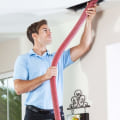
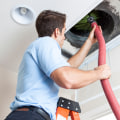
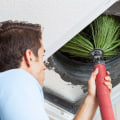
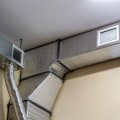
Duct cleaning is a process that involves the removal of dust, debris, and other contaminants from the ductwork of heating, ventilation, and air conditioning (HVAC) systems. Over time, these ducts can accumulate a significant amount of dirt and allergens, which can potentially affect the air quality in your home. As homeowners become increasingly aware of the importance of maintaining a healthy living environment, duct cleaning has gained popularity as a preventive measure to ensure that the air circulating through their homes is as clean as possible.Many people are drawn to the idea of duct cleaning with the hope that it will lead to improved indoor air quality and enhanced energy efficiency. The thought is that by having pristine ducts, homeowners can breathe easier and potentially reduce their energy bills.
However, while the concept seems straightforward, the reality is often more complex. Understanding what duct cleaning entails and its actual benefits is crucial for making informed decisions about whether this service is necessary for your home.In essence, duct cleaning typically involves a thorough inspection of your HVAC system followed by the use of specialized equipment to dislodge and remove contaminants from the ducts. This process may also include cleaning other components of the HVAC system, such as coils and fans. However, it’s important to note that not all homes require frequent duct cleaning.
In fact, many experts suggest that regular maintenance practices, such as changing air filters and ensuring proper insulation, can be more effective in maintaining good air quality than periodic duct cleaning alone.As we delve deeper into this topic, we will explore common misconceptions surrounding duct cleaning and clarify what homeowners should realistically expect from this service. By separating fact from fiction, you can better understand how to maintain a healthy indoor environment without falling prey to misleading claims about duct cleaning.
Common Myths About Duct Cleaning
When it comes to duct cleaning, numerous myths and misconceptions have taken root in public perception. Understanding these myths is essential for homeowners who want to make informed decisions about their indoor air quality and HVAC systems.Myth 1: Duct Cleaning Improves Health
One of the most prevalent beliefs is that cleaning your ducts will significantly enhance your health. While it’s true that reducing dust and allergens can lead to better air quality, the reality is that the dust and debris in your ducts are often harmless.
Most of the particles that accumulate in ductwork remain inert unless disturbed. Therefore, unless there is a specific issue, such as mold or pest infestation, routine duct cleaning may not provide the health benefits many expect.
Myth 2: Duct Cleaning Saves Energy
Another common misconception is that duct cleaning will lead to lower energy bills. While clean ducts can theoretically improve airflow, studies have shown that the energy savings from duct cleaning are minimal compared to addressing other factors like insulation and sealing leaks. In fact, many HVAC professionals emphasize that improving system efficiency through regular maintenance and proper insulation is far more effective than simply cleaning ducts.
Myth 3: All Duct Cleaning Services Are the Same
Not all duct cleaning services operate with the same level of professionalism or expertise.
Some companies may use outdated methods or inadequate equipment, which can lead to ineffective cleaning or even damage to your system. It’s crucial to research and choose a reputable service provider who employs modern techniques and adheres to industry standards.
Myth 4: Duct Cleaning Eliminates Mold
Many people believe that duct cleaning can eliminate existing mold problems in their homes. However, while cleaning may remove some surface mold, it does not address the underlying moisture issues that cause mold growth. To effectively deal with mold, homeowners must identify and rectify the source of moisture before considering any cleaning services.
Myth 5: Ducts Should Be Cleaned Regularly
Some homeowners think that ducts should be cleaned on a regular schedule, similar to changing air filters.
However, there is no consensus among experts about how often ducts should be cleaned. The need for duct cleaning typically arises from specific circumstances rather than a routine maintenance schedule. Factors such as recent renovations, water damage, or visible mold growth should dictate when duct cleaning is necessary.By debunking these common myths about duct cleaning, homeowners can make more informed choices regarding their HVAC systems and indoor air quality. Understanding the facts behind these misconceptions helps prioritize effective maintenance strategies that truly enhance home comfort and efficiency.
The Science Behind Duct Cleaning
Understanding the science of duct cleaning is crucial for homeowners who want to make informed decisions about their indoor air quality.Numerous studies have been conducted to evaluate the effectiveness and necessity of duct cleaning, yet the results often yield mixed conclusions.One significant study published by the Environmental Protection Agency (EPA) highlighted that while duct cleaning can remove dust and debris, it does not necessarily lead to improved air quality. The EPA noted that contaminants in the air, such as pollen and pet dander, are often not sourced from the ducts themselves but rather from other areas within the home. This suggests that simply cleaning ducts may not address the root causes of poor air quality.Furthermore, a comprehensive review by the National Air Duct Cleaners Association (NADCA) examined various research findings and concluded that while duct cleaning can be beneficial in specific situations—such as when there is visible mold growth or an infestation of vermin—it is not a routine maintenance requirement for most homes. The review emphasized that regular maintenance of HVAC systems, including changing filters and ensuring proper insulation, plays a more significant role in maintaining air quality.In addition to these findings, a study conducted by researchers at Harvard University found that indoor air quality is more significantly impacted by factors such as ventilation rates and humidity levels than by the cleanliness of ducts.
The researchers recommended focusing on improving overall ventilation and controlling moisture levels to enhance indoor air quality effectively.Moreover, some duct cleaning practices can inadvertently release more dust and allergens into the air if not performed correctly. A study published in the Journal of Environmental Health indicated that improper duct cleaning methods could disturb settled dust, causing it to become airborne and potentially aggravating respiratory issues.In summary, while there are scenarios where duct cleaning may be warranted, scientific research suggests that it is not a panacea for improving indoor air quality. Homeowners should prioritize regular maintenance practices such as changing air filters and ensuring adequate ventilation over routine duct cleaning. By understanding the science behind duct cleaning, individuals can make better choices for their homes and health.
Health Implications of Duct Cleaning
When considering the health implications of duct cleaning, it is essential to weigh both potential benefits and risks.Many homeowners believe that cleaning their air ducts will lead to improved indoor air quality and a healthier living environment. However, the reality is more nuanced.One of the primary concerns regarding duct cleaning is the disturbance of dust and allergens that may already be settled within the ducts. When ducts are cleaned improperly, it can lead to a release of these particles into the air, potentially exacerbating respiratory issues for individuals with allergies or asthma. This is particularly concerning for sensitive populations, such as children and the elderly.
Understanding Allergens in Ducts
- Dust Mites: These microscopic creatures thrive in warm, humid environments and can accumulate in ducts over time.
- Pollen: Seasonal allergens can find their way into your duct system, especially if windows are left open.
- Mold Spores: If moisture is present in your ducts, mold can grow and release spores into the air.
- Pet Dander: For pet owners, dander can become trapped in ducts, contributing to allergic reactions.
For instance, if there are leaks in your ductwork or if your home has high humidity levels, these issues must be resolved to truly improve air quality.
The Role of Air Filters
A more effective approach to maintaining good indoor air quality involves regularly changing your air filters. High-quality filters can trap many of the allergens that accumulate in your home, preventing them from circulating through your HVAC system. This proactive measure can significantly reduce the amount of dust and allergens in your living space without the risks associated with duct cleaning.In conclusion, while duct cleaning may seem like a beneficial service for improving health and indoor air quality, it is essential to approach it with caution. Understanding the potential risks associated with disturbing settled allergens and focusing on preventive measures like regular filter changes can lead to a healthier home environment without unnecessary complications.
When Is Duct Cleaning Necessary?
Understanding when to clean your ducts is crucial for maintaining a healthy home environment.While duct cleaning is not always necessary, there are specific signs that indicate it may be time to schedule a professional cleaning. Here are some key indicators:
- Visible Dust and Debris: If you notice dust accumulating around your vents or on your furniture, it may be a sign that your ducts are harboring excess dirt. This dust can circulate throughout your home, affecting air quality.
- Unpleasant Odors: Foul smells emanating from your vents can indicate mold growth or the presence of pests within your ductwork. If you detect musty or unusual odors, it’s essential to investigate further.
- Increased Allergies or Respiratory Issues: If you or your family members experience heightened allergy symptoms or respiratory problems, dirty ducts could be a contributing factor.
Cleaning the ducts may help alleviate these issues.
- Recent Renovations: Home renovations can introduce a significant amount of dust and debris into your duct system. If you’ve recently remodeled, consider having your ducts cleaned to remove any construction particles.
- Inconsistent Airflow: If certain rooms in your home feel stuffy or have inconsistent airflow, it could be due to blockages in the ductwork. Cleaning the ducts can help restore proper airflow.
- Regular Filter Changes: Change your air filters every 1-3 months, depending on usage and filter type. Clean filters help prevent dust buildup in the ducts.
- Scheduling Routine Inspections: Have a professional inspect your HVAC system annually.
They can identify potential issues before they become significant problems.
- Avoiding Duct Obstructions: Ensure that furniture and other items do not block vents, as this can restrict airflow and lead to dust accumulation.
- Using High-Quality Filters: Invest in high-efficiency particulate air (HEPA) filters that capture smaller particles and improve indoor air quality.
Choosing a Duct Cleaning Service Wisely
When it comes to maintaining a healthy home environment, selecting a reputable duct cleaning service is crucial. With numerous companies claiming to offer the best services, it can be challenging to determine which one is truly reliable. Here are some essential tips and questions to consider when choosing a duct cleaning service.Research and Recommendations
Start by seeking recommendations from friends, family, or neighbors who have recently had their ducts cleaned. Online reviews and ratings can also provide insight into the experiences of other customers.Look for companies with a strong reputation for quality work and customer service.
Key Qualifications to Look For
- Certification: Ensure that the duct cleaning company holds certifications from recognized organizations, such as the National Air Duct Cleaners Association (NADCA). This indicates that they adhere to industry standards and best practices.
- Insurance: Verify that the company has liability insurance and workers' compensation coverage. This protects you from potential damages or injuries that may occur during the cleaning process.
- Experience: Inquire about the company's experience in the duct cleaning industry. A well-established company is likely to have more expertise and knowledge about various duct systems.
Questions to Ask Potential Service Providers
Before hiring a duct cleaning service, ask the following questions to ensure you are making an informed decision:- What methods do you use for duct cleaning? Understanding their cleaning techniques can help you gauge their effectiveness and safety.
- Can you provide references? A reputable company should be willing to share testimonials or contact information from previous clients.
- Do you offer a written estimate? Requesting a detailed estimate helps avoid unexpected costs and ensures transparency in pricing.
- What additional services do you provide? Some companies may offer complementary services, such as HVAC maintenance or air quality assessments, which could be beneficial.
Alternative Solutions for Indoor Air Quality Improvement
Improving indoor air quality is essential for maintaining a healthy living environment, and there are several effective alternatives to duct cleaning that can help achieve this goal.One of the most significant factors in ensuring clean air is the maintenance of your air filters.
Regular Air Filter Maintenance
- Changing your air filters regularly is crucial. Filters trap dust, allergens, and other particles, preventing them from circulating in your home. Depending on the type of filter and usage, it’s advisable to check and replace them every 1 to 3 months.
- Investing in high-efficiency particulate air (HEPA) filters can significantly enhance your indoor air quality. These filters are designed to capture smaller particles that standard filters might miss.
- Consider using pleated filters instead of flat ones.
Pleated filters have a larger surface area, which allows them to capture more dust and allergens while maintaining airflow.
Ventilation Improvements
- Enhancing ventilation in your home can help reduce indoor pollutants. Opening windows when weather permits allows fresh air to circulate, diluting any contaminants present.
- Installing exhaust fans in areas like kitchens and bathrooms can help remove moisture and odors, further improving air quality.
Humidity Control
- Maintaining optimal humidity levels (between 30% and 50%) can prevent mold growth and dust mites. Using dehumidifiers in damp areas can help control moisture levels effectively.
- Conversely, during dry seasons, using humidifiers can add necessary moisture to the air, which can alleviate respiratory issues.
Regular Cleaning Practices
- Frequent cleaning of your home can significantly reduce dust and allergens. Vacuuming with a vacuum equipped with a HEPA filter helps trap particles rather than redistributing them into the air.
- Dusting surfaces with damp cloths rather than dry ones prevents dust from becoming airborne.
Indoor Plants
- Certain indoor plants can improve air quality by absorbing toxins and releasing oxygen.
Plants like spider plants, peace lilies, and snake plants are known for their air-purifying properties.
FAQs About Duct Cleaning Myths
As homeowners become more aware of the importance of indoor air quality, many questions arise regarding the effectiveness and necessity of duct cleaning. Below are some frequently asked questions that help clarify common misconceptions about this service.What are the most common myths about duct cleaning?
- Myth 1: Duct cleaning is essential for everyone.
- Myth 2: Cleaning ducts will significantly improve indoor air quality.
- Myth 3: Duct cleaning eliminates all allergens and pollutants.
How often should I have my ducts cleaned?
The frequency of duct cleaning largely depends on your specific circumstances. If you have pets, live in a dusty area, or have recently completed renovations, you may need to clean your ducts more frequently.However, for most households, a thorough cleaning every three to five years is generally sufficient.
Can duct cleaning help with allergies?
While some people believe that duct cleaning can alleviate allergy symptoms, research indicates that it may not be as effective as expected. Allergens often reside in carpets, upholstery, and other surfaces rather than in the ducts themselves. Regularly changing air filters and maintaining a clean home environment can be more beneficial for managing allergies.Is it safe to clean my own ducts?
While DIY duct cleaning kits are available, they often do not provide the same level of thoroughness as professional services. Improper cleaning techniques can disturb dust and debris, potentially worsening air quality.Hiring a reputable company ensures that the job is done correctly and safely.
What should I look for in a duct cleaning service?
When selecting a duct cleaning service, consider the following:- Reputation: Look for reviews and testimonials from previous customers.
- Certifications: Ensure the company has certified technicians who follow industry standards.
- Techniques: Inquire about their cleaning methods and equipment used.
Conclusion: The Realities of Duct Cleaning
As we draw our discussion on duct cleaning to a close, it is essential to reflect on the key insights we've explored regarding the realities of duct cleaning. Many homeowners are often swayed by the allure of cleaner air and improved energy efficiency, but the truth is more nuanced. Understanding these realities can empower you to make informed decisions about your home maintenance.First and foremost, it is crucial to recognize that while duct cleaning may seem beneficial, the evidence supporting its necessity is limited. Numerous studies have failed to establish a direct correlation between duct cleaning and significant health improvements or energy savings.Instead, many of the claims made by duct cleaning companies lack robust scientific backing.Moreover, the process itself can sometimes do more harm than good. If not executed properly, duct cleaning can stir up dust and allergens that have settled in your ventilation system, potentially worsening indoor air quality rather than enhancing it. This highlights the importance of hiring reputable professionals who utilize effective techniques to minimize disruption and ensure thorough cleaning.Another critical point is that regular maintenance of your HVAC system, such as changing air filters frequently, plays a far more significant role in maintaining good indoor air quality and energy efficiency. By focusing on these routine tasks, you can effectively reduce dust and allergens without the potential downsides associated with duct cleaning.In conclusion, while Instead, many of the claims made by duct cleaning companies lack robust scientific backing.Moreover, the process itself can sometimes do more harm than good. If not executed properly, duct cleaning can stir up dust and allergens that have settled in your ventilation system, potentially worsening indoor air quality rather than enhancing it. This highlights the importance of hiring reputable professionals who utilize effective techniques to minimize disruption and ensure thorough cleaning.Another critical point is that regular maintenance of your HVAC system, such as changing air filters frequently, plays a far more significant role in maintaining good indoor air quality and energy efficiency. By focusing on these routine tasks, you can effectively reduce dust and allergens without the potential downsides associated with duct cleaning.In conclusion, while pristine ducts may sound appealing, it is vital to approach duct cleaning with a discerning eye.
We encourage homeowners to weigh the pros and cons carefully and consider alternative methods for improving indoor air quality. By prioritizing regular maintenance and addressing any underlying issues within your HVAC system, you can create a healthier living environment without unnecessary expenses or disruptions.