Air ducts are the unseen pathways that play a vital role in the functionality of your home’s HVAC (Heating, Ventilation, and Air Conditioning) system. These conduits are responsible for distributing conditioned air throughout your living spaces, ensuring that every room maintains a comfortable temperature regardless of the season. However, many homeowners overlook the significance of these systems until problems arise. Understanding the importance of air ducts is essential for maintaining a healthy and comfortable home environment.When your HVAC system operates efficiently, it relies heavily on pristine ducts to deliver clean, filtered air.
Over time, dust, allergens, and other pollutants can accumulate within these ducts, leading to reduced airflow and compromised air quality. This buildup not only forces your HVAC system to work harder—resulting in increased energy bills—but it can also pose serious health risks to you and your family. Poorly maintained air ducts can circulate harmful particles throughout your home, exacerbating allergies and respiratory issues.Moreover, the condition of your air ducts directly impacts the overall efficiency of your HVAC system. A well-maintained duct system allows for optimal airflow, which means your heating and cooling units can operate at peak performance.
In contrast, neglected ducts can lead to uneven temperatures in different areas of your home, creating discomfort and prompting unnecessary adjustments to your thermostat. Regular cleaning and maintenance of your air ducts are crucial not only for comfort but also for extending the lifespan of your HVAC system.In summary, understanding the role of air ducts in your home is fundamental to ensuring a healthy living environment. By prioritizing their maintenance and keeping them in pristine condition, you can enhance indoor air quality, improve energy efficiency, and safeguard the well-being of everyone in your household.
The Consequences of Neglecting Air Duct Cleaning
Neglecting air duct cleaning can lead to a multitude of serious consequences that affect both your health and the efficiency of your HVAC system. Understanding these risks is crucial for maintaining a safe and comfortable living environment.Health Risks
One of the most alarming consequences of dirty air ducts is the potential health risks they pose.
Over time, dust, allergens, and other harmful particles accumulate within the ducts. When your HVAC system operates, it circulates these contaminants throughout your home, exposing you and your family to:
- Respiratory Issues: Individuals with asthma or allergies may experience aggravated symptoms, including coughing, sneezing, and difficulty breathing.
- Skin Irritations: Dust and allergens can lead to skin rashes or irritations, particularly in sensitive individuals.
- Mold Growth: Moisture can accumulate in air ducts, creating an ideal environment for mold growth. Breathing in mold spores can lead to serious health complications.
HVAC System Damage
Dirty air ducts can also cause significant damage to your HVAC system. When dust and debris build up, they restrict airflow, forcing the system to work harder than necessary.
This increased strain can lead to:
- Increased Energy Bills: A struggling HVAC system consumes more energy, resulting in higher utility costs.
- Shortened Lifespan: Continuous overworking can lead to premature wear and tear on components, ultimately shortening the lifespan of your HVAC system.
- Expensive Repairs: Neglecting regular maintenance can result in costly repairs or even complete system failure.
Poor Air Quality
The quality of air circulating in your home is directly impacted by the cleanliness of your air ducts. Dirty ducts contribute to:
- Unpleasant Odors: Accumulated dust and debris can emit musty or stale odors that permeate your living space.
- Allergen Accumulation: High levels of dust and allergens can exacerbate allergy symptoms and reduce overall indoor air quality.
Health Risks Linked to Dirty Air Ducts
Neglecting air duct cleaning can lead to a myriad of health risks that often go unnoticed until they manifest in more severe symptoms. One of the primary concerns is the accumulation of allergens within the ducts, which can significantly impact indoor air quality.Dust mites, pollen, pet dander, and other allergens can build up over time, creating a breeding ground for respiratory issues.Individuals with pre-existing conditions such as asthma or allergies may find their symptoms exacerbated by dirty air ducts. When the HVAC system circulates air, it also circulates these harmful particles, leading to increased exposure. Common symptoms include:
- Frequent sneezing and coughing
- Itchy or watery eyes
- Skin irritations
- Difficulty breathing or shortness of breath
When these spores are released into the air, they can cause a range of health issues, including:
- Allergic reactions
- Respiratory infections
- Chronic sinusitis
- Worsening asthma symptoms
How Dirty Air Ducts Affect Indoor Air Quality
Indoor air quality (IAQ) is a critical aspect of maintaining a healthy living environment, yet many homeowners overlook the significant role that dirty air ducts play in this equation. When air ducts are not cleaned regularly, they can become a breeding ground for various pollutants that compromise the air you breathe.Over time, dust, dirt, pet dander, mold spores, and other allergens accumulate within the ductwork.These particles are then circulated throughout your home every time your HVAC system operates. As a result, the air quality can deteriorate significantly, leading to a range of health issues.
Health Implications of Poor Indoor Air Quality
The effects of poor indoor air quality can be particularly pronounced for individuals with pre-existing health conditions such as asthma or allergies. Common symptoms associated with exposure to contaminated air include:- Respiratory Issues: Inhalation of dust and allergens can trigger asthma attacks or exacerbate chronic respiratory conditions.
- Allergic Reactions: Pollutants like pollen and mold can lead to sneezing, itchy eyes, and skin irritations.
- Fatigue and Headaches: Poor air quality can contribute to feelings of fatigue and frequent headaches due to inadequate oxygen levels.
The Importance of Regular Air Duct Cleaning
To maintain pristine duct conditions and ensure optimal indoor air quality, regular cleaning is essential.Professional duct cleaning services can effectively remove accumulated debris and contaminants, allowing your HVAC system to function efficiently while improving the overall air quality in your home.In addition to health benefits, clean air ducts also enhance comfort levels. With improved airflow, your heating and cooling systems can operate more effectively, leading to consistent temperatures throughout your home. This not only contributes to a more pleasant living environment but also helps reduce energy costs.In conclusion, neglecting air duct cleaning can have far-reaching consequences for both your health and comfort. By prioritizing regular maintenance of your air ducts, you can significantly improve indoor air quality and create a healthier home for you and your family.
Signs Your Air Ducts Need Cleaning
Identifying when your air ducts need cleaning is crucial for maintaining a healthy indoor environment.Here are some key signs that indicate your air ducts may require attention:
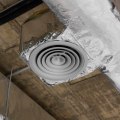
- Visible Dust Accumulation: If you notice a layer of dust around your air vents or on the grilles, it’s a clear indication that your ducts are harboring dirt and debris. This dust can be stirred up into the air, affecting your indoor air quality.
- Increased Allergies or Respiratory Issues: If you or your family members experience heightened allergy symptoms, such as sneezing, coughing, or itchy eyes, it may be due to allergens circulating through dirty air ducts. Regular cleaning can help alleviate these symptoms.
- Unpleasant Odors: Foul smells emanating from your vents can signal the presence of mold, mildew, or other contaminants in your ductwork. If you detect musty or stale odors, it’s time to schedule a cleaning.
- Inconsistent Airflow: If certain rooms in your home feel stuffy or do not receive adequate airflow, it could be due to blockages in the duct system.
Cleaning the ducts can restore proper airflow and improve comfort levels throughout your home.
- Increased Energy Bills: A sudden spike in your energy bills may indicate that your HVAC system is working harder than necessary due to dirty ducts. When airflow is restricted, the system has to compensate by using more energy.
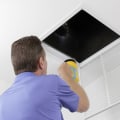
- Visual Inspection: Regularly check accessible duct areas for dust buildup or signs of mold. Use a flashlight to look inside vents and see if there’s significant debris.
- Listen for Unusual Noises: Pay attention to any strange sounds coming from your HVAC system. Unusual noises can indicate blockages or other issues within the ductwork.
- Monitor Air Quality: Invest in an indoor air quality monitor to track levels of pollutants and allergens in your home.
A sudden increase may suggest that your ducts need cleaning.
The Process of Professional Air Duct Cleaning
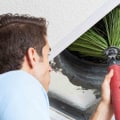
When you decide to invest in professional air duct cleaning, understanding the cleaning process can help you appreciate the value of the service. A thorough cleaning not only enhances your indoor air quality but also extends the lifespan of your HVAC system. Here’s what you can expect during a professional air duct cleaning service.Initial Inspection
The process typically begins with a comprehensive inspection of your air ducts.
Technicians will assess the condition of your ducts, looking for signs of dust buildup, mold growth, or any obstructions that could hinder airflow. This initial evaluation helps them determine the best approach for cleaning your specific system.
Preparation and Setup
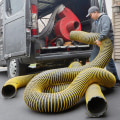
Before the actual cleaning begins, professionals will prepare the area by covering furniture and flooring to protect them from dust and debris. They will also set up specialized equipment, including high-powered vacuums and brushes designed specifically for duct cleaning.
Cleaning Techniques
- Vacuuming: Using powerful vacuums, technicians will remove loose dust and debris from the ducts. This step is crucial for minimizing the amount of particles that may be released into your home during the cleaning process.
- Brushing: In addition to vacuuming, brushes may be used to dislodge stubborn dirt and contaminants stuck to the duct walls.
This mechanical action ensures a more thorough clean.
- Sanitizing: After physical cleaning, some services may offer sanitization treatments to eliminate any remaining bacteria or mold spores. This step is particularly beneficial for households with allergy sufferers.
Post-Cleaning Inspection
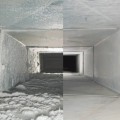
Once the cleaning is complete, technicians will conduct a final inspection to ensure that all areas have been adequately cleaned. They may also provide you with before-and-after photos to demonstrate the effectiveness of their work.
Benefits of Hiring Professionals
While some homeowners might consider DIY methods for air duct cleaning, hiring professionals offers several advantages:
- Expertise: Trained technicians understand the intricacies of different HVAC systems and can identify issues that an untrained eye might miss.
- Specialized Equipment: Professionals use advanced tools that are more effective than standard household vacuums.
- Time-Saving: The process can be time-consuming; professionals can complete it efficiently, allowing you to focus on other important tasks.
DIY vs.
Professional Air Duct Cleaning: What You Need to KnowWhen it comes to maintaining a pristine duct system, homeowners often face the dilemma of whether to tackle air duct cleaning themselves or hire a professional service. Each approach has its own set of advantages and disadvantages that can significantly impact the effectiveness of the cleaning process.
DIY Air Duct Cleaning
Many homeowners consider DIY air duct cleaning as a cost-effective solution. With the right tools and some basic knowledge, it is possible to perform a thorough cleaning. Here are some benefits and drawbacks of this approach:- Benefits:
- Cost Savings: The most apparent advantage is the potential for saving money on professional services.
- Control Over the Process: Homeowners can clean at their convenience, ensuring they address specific areas of concern.
- Immediate Results: DIY cleaning can provide instant gratification, as you can see the results right away.
- Drawbacks:
- Lack of Expertise: Without professional training, homeowners may miss critical areas or fail to remove all contaminants.
- Potential Damage: Improper cleaning techniques can damage ducts or HVAC components, leading to costly repairs.
- Time-Consuming: Cleaning air ducts thoroughly can be a labor-intensive task that takes longer than anticipated.
Professional Air Duct Cleaning
On the other hand, hiring a professional service offers a different set of advantages that can outweigh the costs involved.Here’s what you should consider:
- Benefits:
- Expertise and Experience: Professionals have specialized training and experience in effectively cleaning air ducts, ensuring thoroughness.
- Advanced Equipment: They use high-powered vacuums and specialized tools that are often not available to the average homeowner.
- Comprehensive Service: Professionals can identify and address issues beyond just dust accumulation, such as mold or pest infestations.
- Drawbacks:
- Cost: Professional services can be expensive, which may deter some homeowners from opting for this route.
- Scheduling Inconvenience: You may need to work around the technician's schedule, which could delay the cleaning process.
Maintaining Pristine Ducts: Best Practices for Homeowners
Maintaining pristine ducts is essential for ensuring the efficiency and longevity of your HVAC system. Regular air duct maintenance not only improves indoor air quality but also helps in reducing energy costs. Here are some best practices homeowners can adopt to keep their air ducts clean and functioning optimally:- Regular Inspections: Schedule routine inspections of your air ducts at least once a year.
A professional can identify any blockages, leaks, or signs of mold that may require immediate attention.
- Change Air Filters: Replace your HVAC system’s air filters every 1-3 months, depending on usage. Clean filters prevent dust and debris from accumulating in the ducts and ensure better airflow.
- Seal Ducts Properly: Ensure that all duct connections are sealed tightly. Use mastic sealant or metal tape to close any gaps, which can help prevent dust from entering the system.
- Keep Vents Clear: Regularly check and clean your vents and registers. Ensure that furniture, curtains, or other objects do not obstruct airflow, as this can lead to uneven heating or cooling.
- Use a Vacuum with HEPA Filter:Use a Vacuum with HEPA Filter: When cleaning your home, use a vacuum cleaner equipped with a HEPA filter to trap fine dust particles.
This helps minimize the amount of dust that can settle in your ducts.
- Consider Professional Cleaning: Every 3-5 years, hire a professional duct cleaning service to thoroughly clean your air ducts. This is especially important if you have pets, allergies, or have recently renovated your home.
- Avoid Excessive Humidity: Use dehumidifiers in areas prone to moisture. High humidity levels can promote mold growth within the ducts, leading to health issues and unpleasant odors.
Frequently Asked Questions About Air Duct Cleaning
When it comes to air duct cleaning, many homeowners have questions and misconceptions that can lead to confusion.Here, we address some of the most frequently asked questions to help clarify the importance and process of maintaining your air ducts.
What is air duct cleaning?
Air duct cleaning involves the removal of dust, debris, and other contaminants from the ductwork of your heating and cooling system. This process ensures that the air circulating in your home is clean and free from harmful particles.How often should I have my air ducts cleaned?
It is generally recommended to have your air ducts cleaned every 3 to 5 years. However, if you have pets, allergies, or live in a dusty environment, more frequent cleanings may be necessary. Regular maintenance helps keep your ducts in pristine condition.Can I clean my air ducts myself?
While some homeowners may attempt DIY cleaning, it is often not as effective as hiring a professional.Professionals use specialized equipment and techniques to thoroughly clean your ducts without causing damage. Attempting to clean them yourself can lead to incomplete cleaning or even damage to the ductwork.
Will air duct cleaning improve my indoor air quality?
Yes, one of the primary benefits of air duct cleaning is improved indoor air quality. By removing dust, allergens, and pollutants from your ducts, you can significantly reduce respiratory issues and create a healthier living environment for you and your family.Is air duct cleaning necessary if I don’t see any dust?
Even if you don’t see visible dust around your vents, it doesn’t mean your ducts are clean. Dust and allergens can accumulate deep within the ductwork, affecting air quality.Regular cleaning is essential for maintaining a healthy home.
Are there any risks associated with neglecting air duct cleaning?
Neglecting air duct cleaning can lead to several issues, including reduced airflow, increased energy costs, and potential health risks due to mold or allergens circulating in your home. Keeping your ducts clean helps prevent these problems.If you have more questions about air duct cleaning, consider consulting with a professional service that can provide tailored advice based on your specific needs.Conclusion: The Importance of Regular Air Duct Cleaning for a Healthy Home
In conclusion, the significance of regular air duct cleaning cannot be overstated when it comes to maintaining a healthy home environment. As we have explored throughout this article, neglecting the cleanliness of your air ducts can lead to a myriad of issues that affect both your HVAC system and your family's health.Firstly, pristine duct systems are essential for optimal airflow. When dust, debris, and allergens accumulate within the ducts, they obstruct airflow, forcing your HVAC system to work harder.This not only increases energy consumption but can also lead to premature wear and tear on your equipment, resulting in costly repairs or replacements.Moreover, the health implications of dirty air ducts are alarming. Pollutants such as dust mites, mold spores, and pet dander can circulate throughout your home, exacerbating allergies and respiratory issues. For individuals with pre-existing conditions, the consequences can be even more severe. Regular cleaning helps mitigate these risks by ensuring that the air you breathe is free from harmful contaminants.Additionally, maintaining clean air ducts contributes to improved indoor air quality.
By removing allergens and pollutants from your home’s ventilation system, you create a more comfortable living space for you and your loved ones. This is particularly important for families with children or elderly members who may be more susceptible to the effects of poor air quality.To summarize, investing in regular air duct cleaning is not merely a maintenance task; it is a crucial step towards safeguarding your home and health. By prioritizing this aspect of home care, you ensure that your living environment remains safe, comfortable, and conducive to well-being. Don’t wait for visible signs of trouble—schedule a professional cleaning today to keep your air ducts in pristine condition .