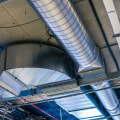
Air ducts are an essential component of any heating, ventilation, and air conditioning (HVAC) system, serving as the pathways through which conditioned air flows into various rooms of a building. These ducts are typically made from a variety of materials, including sheet metal, fiberglass, or flexible plastic, and they play a crucial role in maintaining a comfortable indoor environment. Understanding the function of air ducts is vital for homeowners and building managers alike, as it directly impacts both energy efficiency and indoor air quality.The primary function of air ducts is to distribute heated or cooled air throughout your home or office. When your HVAC system operates, it generates air that is either warmed or cooled to achieve the desired temperature.
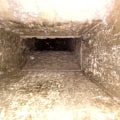
This air is then pushed through the ductwork and into different areas via vents. Properly functioning air ducts ensure that every room receives an adequate supply of conditioned air, which not only enhances comfort but also helps to maintain consistent humidity levels. However, when these ducts become dirty or clogged with dust, debris, and other contaminants, their efficiency diminishes significantly.Moreover, the importance of clean air ducts extends beyond mere comfort; it has profound implications for health and well-being. Dirty ducts can harbor allergens such as dust mites, mold spores, and pet dander, which can be circulated throughout your living space.
This can lead to a range of health issues, particularly for individuals with respiratory conditions like asthma or allergies. Therefore, understanding the role of air ducts in your HVAC system is crucial for recognizing the need for regular maintenance and cleaning to ensure that your indoor air remains pristine and healthy.
Health Risks Associated with Dirty Air Ducts
Maintaining pristine duct systems is crucial for ensuring a healthy living environment. When air ducts are neglected, they can become breeding grounds for various harmful substances that pose significant health risks. Understanding these risks is essential for anyone looking to improve their indoor air quality and overall well-being.One of the most common health issues associated with dirty air ducts is the exacerbation of allergies.Dust, pollen, pet dander, and other allergens can accumulate in the ductwork and be circulated throughout your home. This constant exposure can lead to increased allergy symptoms such as:
- Sneezing
- Itchy or watery eyes
- Runny or stuffy nose
- Skin irritations
- Shortness of breath
- Chest tightness
- Coughing, especially at night or early morning
Symptoms of mold exposure include:
- Coughing and wheezing
- Throat irritation
- Persistent headaches
- Fatigue and general malaise
- Pneumonia
- Bronchitis
- Sinus infections
Common Contaminants Found in Air Ducts
Air ducts serve as the circulatory system of your home, transporting heated or cooled air throughout your living spaces.However, over time, these ducts can become a breeding ground for various contaminants that can negatively impact your health and indoor air quality. Understanding the common pollutants found in air ducts is crucial for recognizing the importance of regular cleaning.
1.Dust and Dirt
One of the most prevalent contaminants in air ducts is dust. This accumulation can include tiny particles from skin cells, pet dander, and fibers from clothing and furniture. When your HVAC system operates, it can stir up this dust, releasing it back into your home’s air.
This not only contributes to a dusty environment but can also exacerbate allergies and respiratory issues.
2.Mold
Mold thrives in damp environments, making air ducts an ideal location for its growth if moisture is present. Common types of mold found in air ducts include Stachybotrys chartarum (black mold) and Acremonium. Exposure to mold spores can lead to a range of health problems, including respiratory infections, allergic reactions, and even chronic fatigue. Regular cleaning helps prevent mold buildup and ensures a healthier living space.
3.Allergens
In addition to dust and mold, air ducts can harbor various allergens such as pollen, pet hair, and insect droppings.
These allergens can trigger symptoms in sensitive individuals, including sneezing, coughing, and itchy eyes. By keeping your air ducts clean, you reduce the presence of these irritants in your home.
4.Volatile Organic Compounds (VOCs)
VOCs are chemicals found in many household products like paints, cleaners, and air fresheners. Over time, these compounds can accumulate in your air ducts and be released into the air you breathe. Prolonged exposure to VOCs can lead to headaches, dizziness, and other health issues.
5.Rodent Droppings
If rodents find their way into your ductwork, their droppings can become another serious contaminant.
Not only do these droppings pose a health risk due to potential diseases they carry, but they can also contribute to unpleasant odors in your home.In conclusion, understanding the common contaminants found in air ducts highlights the necessity of regular cleaning. By maintaining pristine duct conditions, you not only improve your home's air quality but also safeguard your family's health.
Signs That Your Air Ducts Need Cleaning
Recognizing the signs that your air ducts need cleaning is crucial for maintaining a healthy indoor environment. Ignoring these indicators can lead to a buildup of dust, allergens, and even mold, which can adversely affect your health. Here are some key signs to watch for:- Increased Dust Accumulation: If you notice a significant increase in dust settling on surfaces around your home, it may be a sign that your air ducts are clogged.
Dust particles can circulate through your HVAC system and settle throughout your living spaces.
- Allergy Symptoms: Frequent sneezing, coughing, or itchy eyes can indicate that your air ducts are harboring allergens. If these symptoms worsen when your HVAC system is running, it’s time to consider a thorough cleaning.
- Unpleasant Odors: A musty or stale smell in your home can often be traced back to dirty air ducts. This odor may be caused by mold growth or accumulated debris within the ductwork.
- Visible Mold Growth: If you see mold growing inside or around your air ducts, it’s essential to act immediately. Mold can release spores into the air, leading to serious health issues.
- Reduced Airflow: If you notice that certain rooms in your home are not receiving adequate airflow, it could indicate that your ducts are blocked.
This reduced airflow can strain your HVAC system and lead to higher energy bills.
- Strange Noises: Unusual sounds coming from your HVAC system, such as rattling or whistling, may suggest that debris is obstructing the airflow in the ducts.
The Benefits of Regular Air Duct Cleaning
Maintaining pristine ducts through regular air duct cleaning offers a multitude of benefits that extend beyond mere aesthetics. One of the most significant advantages is the improvement in indoor air quality. Over time, air ducts accumulate dust, allergens, and other pollutants that can circulate throughout your home.By cleaning these ducts, you effectively reduce the presence of these harmful particles, leading to cleaner air for you and your family.Improved air quality has direct implications for health. For individuals with respiratory conditions such as asthma or allergies, the presence of dust and allergens can exacerbate symptoms. Regular cleaning of air ducts can help alleviate these issues by minimizing exposure to irritants. This proactive approach not only enhances comfort but also contributes to overall well-being.Moreover, clean air ducts can lead to better energy efficiency in your HVAC system.
When ducts are clogged with debris, your heating and cooling systems must work harder to maintain desired temperatures. This increased strain can lead to higher energy bills and a shorter lifespan for your HVAC equipment. By ensuring that your ducts remain clean, you promote efficient airflow, which can translate into cost savings on energy expenses.Another often-overlooked benefit of regular air duct cleaning is the reduction of unpleasant odors in your home. Accumulated dust, mold, and other contaminants can produce musty or stale smells that linger in the air.
Cleaning your ducts helps eliminate these sources of odor, resulting in a fresher and more inviting living environment.In summary, the benefits of maintaining pristine ducts through regular cleaning are substantial. From enhanced indoor air quality and improved health outcomes to increased energy efficiency and odor reduction, investing in air duct cleaning is a crucial step toward creating a healthier home environment.
How Often Should You Clean Your Air Ducts?
Determining how often to clean your air ducts is crucial for maintaining a healthy indoor environment. While there is no one-size-fits-all answer, several factors can help you establish a suitable maintenance schedule .General Recommendations
- For most households, it is advisable to have your air ducts cleaned every three to five years. This timeframe allows for the accumulation of dust and allergens without compromising air quality.
- If you have pets, consider cleaning your ducts more frequently, approximately every two to three years, as pet dander can significantly contribute to indoor air pollution.
- Homes with smokers or individuals with allergies or respiratory conditions may benefit from annual cleanings to ensure optimal air quality.
Environmental Factors
Your home environment plays a significant role in determining the frequency of air duct cleaning.
Consider the following:
- Location: Homes in dusty areas or near construction sites may require more frequent cleanings due to higher levels of airborne particles.
- Humidity Levels: High humidity can promote mold growth within ducts. If you live in a humid climate, inspect and clean your ducts regularly to prevent mold buildup.
- HVAC System Usage: If you use your heating and cooling systems extensively, it may lead to faster accumulation of dust and debris, necessitating more frequent cleanings.
Signs That Indicate It's Time for Cleaning
In addition to following a regular schedule, be vigilant for signs that indicate your air ducts need attention:
- Increased Dust: If you notice a significant increase in dust around your home, it may be time to check your ducts.
- Mold Growth: Visible mold inside or around your air ducts is a clear sign that cleaning is necessary.
- Unpleasant Odors: Foul smells emanating from your HVAC system can indicate dirty ducts that need immediate cleaning.
DIY vs. Professional Air Duct Cleaning: What You Need to Know
When it comes to maintaining a healthy home environment, the decision between DIY air duct cleaning and hiring professional duct cleaning services is crucial. Each approach has its own set of advantages and disadvantages that can significantly impact the effectiveness of the cleaning process.DIY Air Duct Cleaning
Many homeowners consider DIY air duct cleaning as a cost-effective solution.With the right tools and a bit of effort, you can attempt to clean your air ducts yourself. Here are some pros and cons:
- Pros:
- Cost Savings: The most significant advantage is the potential for saving money, as you won't have to pay for professional services.
- Control: You have complete control over the cleaning process, allowing you to focus on areas that concern you the most.
- Flexibility: You can choose when to clean your ducts, fitting it into your schedule without needing to coordinate with a service provider.
- Cons:
- Lack of Expertise: Without professional training, you may miss critical areas or fail to remove all contaminants effectively.
- Safety Risks: Climbing ladders or working in tight spaces can pose safety hazards if not done carefully.
- Limited Equipment: DIY methods often rely on household tools that may not be as effective as specialized equipment used by professionals.
Professional Duct Cleaning Services
On the other hand, hiring professionals for air duct cleaning offers a different set of benefits and drawbacks:- Pros:
- Thorough Cleaning: Professionals use advanced equipment and techniques that ensure a more comprehensive cleaning, reaching areas that are often overlooked in DIY efforts.
- Expert Knowledge: Trained technicians understand how to identify and address specific issues within your duct system, such as mold or pest infestations.
- Saves Time: Hiring professionals allows you to focus on other important tasks while they handle the cleaning efficiently.
- Cons:
- Cost: Professional services can be expensive, which may deter some homeowners from opting for this route.
- Scheduling Issues: You may need to work around the availability of service providers, which can be inconvenient.
- Potential for Scams: Not all companies are reputable; it’s essential to research and choose a trustworthy service provider.
Regardless of your choice, maintaining clean air ducts is essential for ensuring a healthy living environment.
<strong>Frequently Asked Questions</strong>
When it comes to maintaining a healthy home environment, air duct cleaning is often overlooked. Here are some frequently asked questions that can help clarify the importance and process of keeping your air ducts clean.What is air duct cleaning?
Air duct cleaning involves the removal of dust, dirt, and other contaminants from the ductwork of your heating and cooling system. This process ensures that the air circulating in your home is clean and free from harmful particles.How often should I have my air ducts cleaned?
It is generally recommended to have your air ducts cleaned every 3 to 5 years. However, if you have pets, allergies, or live in a particularly dusty area, you may need to clean them more frequently.Regular inspections can help determine the best schedule for your home.
What are the signs that my air ducts need cleaning?
- Increased dust accumulation: If you notice more dust settling on surfaces in your home, it may be a sign that your ducts are dirty.
- Unpleasant odors: Musty or stale smells can indicate mold or debris buildup in your ducts.
- Allergy symptoms: If you or your family members experience increased allergy symptoms, it could be due to allergens circulating through dirty ducts.
Can I clean my air ducts myself?
While some homeowners attempt DIY cleaning, it is often not as effective as professional services. Professionals use specialized equipment and techniques to thoroughly clean and sanitize your ductwork, ensuring a pristine duct system.What should I expect during a professional air duct cleaning?
A professional service typically includes an inspection of your ductwork, followed by the use of powerful vacuums and brushes to remove debris. They may also check for mold and other contaminants, providing a comprehensive cleaning that enhances indoor air quality.Is air duct cleaning worth the cost?
Investing in regular air duct cleaning can lead to improved air quality, reduced allergy symptoms, and increased efficiency of your HVAC system. This can ultimately save you money on energy bills and healthcare costs associated with poor indoor air quality.If you have further questions about air duct cleaning, don’t hesitate to reach out to a professional service for more information tailored to your specific needs.<strong>Conclusion</strong>
In summary, the significance of regular air duct cleaning cannot be overstated.As we have explored throughout this article, pristine ducts play a crucial role in maintaining not only the efficiency of your HVAC system but also the overall health of your household. The accumulation of dust, allergens, and mold within air ducts can lead to a myriad of health issues, including respiratory problems, allergies, and even chronic illnesses.By ensuring that your air ducts are cleaned regularly, you are taking proactive steps to safeguard your family’s health. The benefits of clean air ducts extend beyond just improved air quality; they also contribute to a more efficient heating and cooling system, which can lead to lower energy bills and a more comfortable living environment.Moreover, the presence of harmful substances such as mold can exacerbate existing health conditions or create new ones. Regular inspections and cleanings can help identify these issues before they escalate into serious health risks.
It is essential to recognize the signs that indicate your air ducts may need attention, such as increased dust accumulation in your home or noticeable changes in airflow.In conclusion, prioritizing the cleanliness of your air ducts is an investment in your health and well-being. By committing to regular maintenance and cleaning, you ensure that your indoor air remains fresh and free from contaminants. Remember, a clean home starts with pristine ducts, so don’t wait until symptoms arise—make air duct cleaning a part of your home maintenance routine.