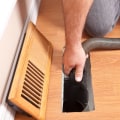
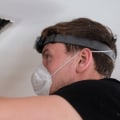
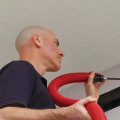
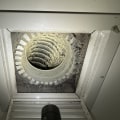
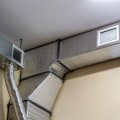
In recent years, the practice of duct cleaning has gained significant traction among homeowners and businesses alike. But what exactly does duct cleaning entail? At its core, duct cleaning involves the thorough cleaning of various components of your heating and cooling system, including the supply and return air ducts, registers, grilles, and even the heating and cooling coils. This process aims to remove dust, dirt, allergens, and other contaminants that can accumulate over time, potentially affecting the air quality in your home. Just as there are Signs Your Body is Detoxing and How to recognize them, understanding the importance of maintaining clean ducts is crucial for a healthier living environment.The growing awareness of indoor air quality has propelled duct cleaning into the spotlight. In recent years, the practice of duct cleaning has gained significant traction among homeowners and businesses alike. But what exactly does duct cleaning entail? At its core, duct cleaning involves the thorough cleaning of various components of your heating and cooling system, including the supply and return air ducts, registers, grilles, and even the heating and cooling coils. This process aims to remove dust, dirt, allergens, and other contaminants that can accumulate over time, potentially affecting the air quality in your home. Just as there are Signs Your Body is Detoxing and How to recognize them, understanding the importance of maintaining clean ducts is crucial for a healthier living environment.The growing awareness of indoor air quality has propelled duct cleaning into the spotlight.
Many people are becoming increasingly concerned about the air they breathe, especially those with respiratory issues or allergies. Clean air ducts can contribute to a healthier living environment by reducing the presence of irritants and allergens. Furthermore, regular maintenance of your HVAC system can enhance its efficiency, leading to lower energy bills and a longer lifespan for your equipment.However, while the benefits of duct cleaning are often highlighted, it is essential to approach this service with a discerning eye. Not all duct cleaning services are created equal; some may employ questionable practices that could do more harm than good. Many people are becoming increasingly concerned about the air they breathe, especially those with respiratory issues or allergies. Clean air ducts can contribute to a healthier living environment by reducing the presence of irritants and allergens. Furthermore, regular maintenance of your HVAC system can enhance its efficiency, leading to lower energy bills and a longer lifespan for your equipment.However, while the benefits of duct cleaning are often highlighted, it is essential to approach this service with a discerning eye. Not all duct cleaning services are created equal; some may employ questionable practices that could do more harm than good.
Understanding what duct cleaning involves and its potential advantages is crucial for making informed decisions about whether this service is right for you.As we delve deeper into the pros and cons of duct cleaning, it’s important to consider not only the immediate benefits but also the long-term implications for your home’s HVAC system and overall air quality. By maintaining pristine ducts , you can ensure a healthier indoor environment while optimizing your heating and cooling systems.
The Benefits of Duct Cleaning
Maintaining pristine ducts is essential for ensuring a healthy and efficient home environment. One of the primary benefits of duct cleaning is the significant improvement in indoor air quality. Over time, dust, allergens, and other contaminants can accumulate within your ductwork, leading to poor air circulation and potential health issues.By removing these pollutants, you can breathe easier and reduce the risk of respiratory problems, especially for individuals with allergies or asthma.Another advantage of regular duct cleaning is the enhancement of your HVAC system's efficiency. When ducts are clogged with debris, your heating and cooling systems must work harder to maintain the desired temperature. This increased workload can lead to higher energy bills and a shorter lifespan for your HVAC equipment. By keeping your ducts clean, you allow your system to operate more efficiently, which can translate into lower energy costs and fewer repairs over time.Furthermore, clean ducts contribute to a more comfortable living environment.
When air can flow freely through the ductwork, it helps maintain consistent temperatures throughout your home. This means fewer hot or cold spots and a more enjoyable atmosphere for you and your family.Additionally, duct cleaning can help eliminate unpleasant odors that may linger in your home. These odors often stem from mold, mildew, or accumulated dust in the ducts. By addressing these issues through professional cleaning, you can create a fresher and more inviting space.In summary, the benefits of duct cleaning extend beyond just aesthetics; they play a crucial role in promoting a healthier living environment.
From improved air quality to enhanced energy efficiency and comfort, maintaining pristine ducts is an investment worth considering for any homeowner.
Potential Downsides of Duct Cleaning
While duct cleaning can offer benefits, it is essential to consider the potential downsides that may arise from this service. Understanding these risks can help homeowners make informed decisions about whether duct cleaning is necessary for their specific situation.1.Risk of Damage to HVAC Systems
One of the most significant concerns regarding duct cleaning is the potential for damage to your HVAC system. If the cleaning process is not performed correctly, it can lead to:
- Dislodged Ducts: Improper handling during cleaning can dislodge ducts, leading to air leaks and reduced efficiency.
- Damaged Components: The use of aggressive cleaning tools or techniques can damage sensitive components within your HVAC system, resulting in costly repairs.
- Increased Energy Costs: A damaged system may work harder to maintain desired temperatures, leading to higher energy bills.
2.Unnecessary Costs
Duct cleaning can be a significant expense, and in some cases, it may not be necessary at all. Homeowners should be cautious of:
- Overzealous Marketing: Some companies may push duct cleaning services even when they are not warranted, leading to unnecessary spending.
- Lack of Evidence: If your ducts are not visibly dirty or if you have not experienced any airflow issues, the need for cleaning may be minimal.
3.Potential Release of Contaminants
If duct cleaning is performed improperly, there is a risk of releasing dust, mold spores, and other contaminants back into your home’s air supply.
This can exacerbate respiratory issues and allergies rather than alleviate them. To mitigate this risk:
- Choose Reputable Professionals: Always hire experienced and certified duct cleaning professionals who follow industry standards.
- Avoid DIY Cleaning: Attempting to clean ducts without proper knowledge and equipment can lead to more harm than good.
When Should You Consider Duct Cleaning?
Determining the right time to consider duct cleaning is crucial for maintaining a healthy indoor environment. While some homeowners may think of duct cleaning as a routine task, it’s essential to recognize specific signs that indicate when this service is necessary.Signs You Need Duct Cleaning
- Visible Dust and Debris: If you notice a significant buildup of dust around your home, particularly on vents and registers, it may be time to clean your ducts.
Dust accumulation can indicate that your ducts are harboring more contaminants than usual.
- Unpleasant Odors: Foul smells emanating from your HVAC system can be a sign of mold, mildew, or other biological contaminants in your ducts. If you detect persistent odors, it’s advisable to have your ducts inspected and cleaned.
- Increased Allergies or Respiratory Issues: If you or your family members experience heightened allergy symptoms or respiratory problems, dirty ducts could be contributing to these issues. Cleaning the ducts may help alleviate these symptoms by reducing airborne allergens.
- Recent Renovations: Home renovations can stir up dust and debris that may settle in your ductwork. If you’ve recently completed a renovation project, consider scheduling a duct cleaning to remove any residual particles.
- Pest Infestations: The presence of pests such as rodents or insects in your home can lead to contamination in your duct system.
If you suspect an infestation, it’s crucial to address both the pests and the potential contamination in your ducts.
Frequency of Duct Cleaning
The frequency of duct cleaning largely depends on various factors, including the environment of your home and the presence of pets or allergies. Generally, it is recommended to have your ducts cleaned every 3 to 5 years. However, certain conditions may necessitate more frequent cleanings:- Homes with Pets: If you have pets that shed fur and dander, consider cleaning your ducts every 2 to 3 years to minimize allergens.
- Allergy Sufferers: Households with individuals suffering from allergies may benefit from more regular cleanings, potentially every 1 to 2 years.
- High Dust Levels: If you live in an area with high dust levels or experience frequent construction nearby, more frequent cleanings may be necessary.
Choosing a Duct Cleaning Service: What to Look For
When it comes to maintaining a healthy indoor environment, choosing the right duct cleaning service is crucial.With numerous options available, it can be overwhelming to determine which provider will deliver the best results. Here are some essential factors to consider when selecting a duct cleaning service:
- Experience and Qualifications: Look for companies that have been in the industry for several years. Experienced professionals are more likely to understand the intricacies of duct systems and can provide a thorough cleaning. Check if the technicians are certified by recognized organizations, such as the National Air Duct Cleaners Association (NADCA).
- Reputation: Research the company’s reputation by reading online reviews and testimonials.
Websites like Yelp, Google Reviews, and the Better Business Bureau can provide insights into customer experiences. A reputable company will have positive feedback and a history of satisfied clients.
- Services Offered: Ensure that the duct cleaning service offers comprehensive cleaning solutions. This includes not only cleaning the ducts but also inspecting and addressing any potential issues such as mold growth or pest infestations.
- Transparent Pricing: Request detailed estimates from multiple providers. A trustworthy company will provide a clear breakdown of costs without hidden fees.
Be cautious of prices that seem too good to be true, as they may indicate subpar service.
- What cleaning methods do you use? Inquire about their techniques and equipment. A reputable service should use high-quality vacuums and tools designed for duct cleaning.
- Can you provide references? Ask for references from previous clients. Speaking with past customers can give you valuable insight into the company’s reliability and quality of work.
- Do you offer any guarantees? A reliable duct cleaning service should stand behind their work with a satisfaction guarantee or warranty on their services.
- How do you handle potential issues? Discuss how they address problems like mold or pests found during the cleaning process. Their response can indicate their level of professionalism and commitment to customer care.
Common Myths About Duct Cleaning Debunked
When it comes to duct cleaning, there are numerous myths and misconceptions that can cloud judgment and lead to poor decision-making.Understanding the facts is essential for homeowners considering this service. Here, we will debunk some of the most common myths surrounding duct cleaning.
Myth 1: Duct Cleaning is Always Necessary
One prevalent myth is that duct cleaning should be performed regularly, regardless of the condition of the ducts. In reality, duct cleaning is not a routine maintenance task that needs to be done annually. The necessity for cleaning depends on various factors, including the presence of dust, allergens, or mold in your ducts.Consulting with a qualified HVAC professional can help determine if your ducts require cleaning based on their specific condition.
Myth 2: Duct Cleaning Improves Air Quality Significantly
While it’s true that clean ducts can contribute to better air quality, the impact may not be as significant as many believe. Some studies suggest that while duct cleaning can remove dust and debris, it does not necessarily lead to a marked improvement in overall air quality. Factors such as regular filter changes and proper ventilation play a more crucial role in maintaining healthy indoor air.Myth 3: All Duct Cleaning Services are the Same
Another common misconception is that all duct cleaning services provide the same level of quality. This is far from the truth.The effectiveness of duct cleaning largely depends on the methods and equipment used by the service provider. Some companies may use inadequate techniques that fail to remove contaminants effectively, while others employ advanced technology and trained professionals to ensure thorough cleaning.
Myth 4: Duct Cleaning Can Cause Damage
Some homeowners fear that duct cleaning can damage their HVAC systems. While improper techniques can indeed cause harm, hiring a reputable and experienced service provider minimizes this risk significantly. Professionals understand how to clean ducts without causing damage, ensuring your system remains intact and efficient.Myth 5: Duct Cleaning Eliminates Allergies
A common belief is that duct cleaning will completely eliminate allergies or respiratory issues.While maintaining clean ducts can help reduce allergens in your home, it is not a cure-all solution. Individuals with severe allergies or asthma should consider a comprehensive approach that includes regular cleaning, air purifiers, and other preventive measures.In conclusion, separating fact from fiction regarding duct cleaning is vital for making informed decisions about your home's air quality and HVAC maintenance. By understanding these myths, homeowners can better assess their needs and choose appropriate services for their specific situations.
The Role of Moisture in Duct Systems
Moisture plays a critical role in the functionality and health of duct systems. When moisture accumulates within air ducts, it can lead to a variety of issues that not only affect the efficiency of your HVAC system but also compromise indoor air quality.Understanding the implications of moisture in ducts is essential for maintaining a healthy living environment.One of the primary concerns with moisture in duct systems is its potential to foster the growth of biological contaminants, such as mold and mildew. These organisms thrive in damp environments and can release spores into the air, which may exacerbate respiratory issues and allergies for occupants. Indoor air quality can significantly deteriorate as a result, leading to health problems that could have been avoided.Moreover, moisture can also cause structural damage to the ductwork itself. Over time, persistent dampness can lead to corrosion and deterioration of metal ducts, while fiberglass insulation can become saturated, losing its effectiveness.
This not only increases energy costs due to reduced efficiency but may also necessitate costly repairs or replacements.
Effects of Moisture on Air Quality
The presence of moisture in ducts can lead to several adverse effects on air quality:- Mold Growth: Mold spores can circulate through the air, causing allergic reactions and respiratory issues.
- Unpleasant Odors: Dampness often leads to musty smells that can permeate your home.
- Increased Dust Mites: High humidity levels create an ideal environment for dust mites, which are known allergens.
- Regular Inspections: Schedule routine inspections of your HVAC system to identify any leaks or areas where moisture may be entering.
- Proper Insulation: Ensure that ducts are adequately insulated to prevent condensation from forming on cold surfaces.
- Humidity Control: Use dehumidifiers in areas prone to high humidity levels, especially basements or crawl spaces.
- Ventilation: Ensure proper ventilation in your home to allow for adequate airflow and reduce humidity levels.
Conclusion: Weighing Your Options for Pristine Ducts
In conclusion, the decision to pursue duct cleaning services is not one to be taken lightly.As we have explored throughout this article, there are both significant advantages and potential drawbacks associated with maintaining pristine ducts. Understanding these factors is crucial for homeowners who wish to enhance their indoor air quality and overall HVAC efficiency.On one hand, the benefits of duct cleaning can lead to a healthier living environment. By removing accumulated dust, allergens, and other contaminants, you may experience improved air quality, which is particularly beneficial for individuals with respiratory issues or allergies. Additionally, clean ducts can contribute to the efficient operation of your heating and cooling systems, potentially lowering energy costs over time.However, it is equally important to consider the cons.
Not all duct cleaning services adhere to industry standards, and hiring an inexperienced or unqualified provider can result in more harm than good. Issues such as improper cleaning techniques or the use of harmful chemicals can exacerbate existing problems rather than resolve them. Furthermore, frequent cleaning may not be necessary and could even damage your HVAC system.Before making a decision, homeowners should:
- Assess the condition of their ducts: Look for signs of excessive dust buildup or mold growth.
- Consult with a qualified HVAC professional: Seek advice on whether duct cleaning is warranted based on your specific circumstances.
- Research service providers: Ensure that any company you consider has a solid reputation and follows best practices in duct cleaning.