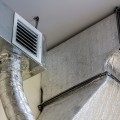
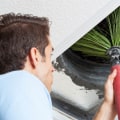
Air duct cleaning is a crucial yet often misunderstood aspect of maintaining a healthy indoor environment. It involves the thorough cleaning of various components of your heating and cooling system, including the supply and return air ducts, registers, grilles, and other associated components. The primary goal of this process is to remove dust, allergens, and other contaminants that can accumulate over time, potentially affecting the quality of the air you breathe. With increasing awareness about indoor air quality, understanding the significance of air duct cleaning has never been more important.Many homeowners may wonder, "What is air duct cleaning?" In essence, it is a service designed to enhance the efficiency of your HVAC system while promoting better air quality.
However, misconceptions abound regarding its necessity and effectiveness. Some believe that simply having clean ducts will eliminate all indoor air quality issues, while others dismiss it as an unnecessary expense. The truth lies somewhere in between; while clean ducts can contribute to improved air quality, they are just one piece of a larger puzzle.The importance of air duct cleaning cannot be overstated. Over time, dust, pet dander, mold spores, and other pollutants can build up in your ducts, leading to poor air circulation and potential health risks.
Regular cleaning can help mitigate these issues, ensuring that your HVAC system operates efficiently and that the air circulating throughout your home is as clean as possible. Moreover, understanding when and why to clean your ducts can empower you to make informed decisions about your home's maintenance.As we delve deeper into this topic, we will explore common myths surrounding air duct cleaning and provide evidence-based insights to help you navigate this often-confusing subject. By separating fact from fiction, you can better understand how to maintain a pristine duct system that supports a healthier living environment.
Common Myths About Air Duct Cleaning
When it comes to air duct cleaning, numerous myths and misconceptions can cloud homeowners' judgment. Understanding the truth behind these myths is essential for making informed decisions about your home's air quality.Here, we will debunk some of the most common myths surrounding air duct cleaning.
- Myth 1: Air Duct Cleaning Improves Health
Many believe that cleaning air ducts will lead to significant health improvements. However, while clean ducts can contribute to better indoor air quality, they are not a cure-all for health issues. The Environmental Protection Agency (EPA) states that there is no conclusive evidence linking air duct cleaning directly to health benefits. Most indoor air pollutants come from sources other than ducts, such as furniture, carpets, and outdoor contaminants. - Myth 2: Dirty Ducts Are the Primary Cause of Allergies
Another prevalent myth is that dirty air ducts are the main culprits behind allergies.In reality, allergens like pollen, pet dander, and mold spores can enter your home through windows and doors, affecting indoor air quality more than dust in ducts. Regular cleaning and maintenance of your home can help reduce these allergens significantly.
- Myth 3: Air Duct Cleaning Is Always Necessary
Some homeowners believe that air duct cleaning should be performed regularly as part of home maintenance. However, the EPA recommends cleaning only when necessary—such as when there is visible mold growth or an infestation of vermin. Routine cleaning may not be required unless specific conditions warrant it. - Myth 4: All Air Duct Cleaning Services Are the Same
Not all air duct cleaning services are created equal.Some companies may use subpar methods or equipment that do not effectively clean ducts. It’s crucial to research and choose a reputable service provider who follows industry standards to ensure thorough cleaning.
- Myth 5: Cleaning Ducts Will Eliminate Dust in Your Home
While cleaning your air ducts can reduce the amount of dust circulating in your HVAC system, it will not eliminate dust from your home entirely. Dust is a natural byproduct of daily living and will continue to accumulate regardless of duct cleanliness. Regular cleaning practices, such as vacuuming and dusting, are essential for maintaining a dust-free environment.
It’s important to approach this service with realistic expectations and rely on factual information rather than misconceptions.
The Benefits of Clean Air Ducts
Maintaining clean air ducts is essential for several reasons, primarily revolving around the enhancement of indoor air quality and the efficiency of your heating and cooling systems. Understanding these benefits can help homeowners make informed decisions regarding the necessity of air duct cleaning.One of the most significant advantages of having pristine ducts is the improvement in indoor air quality. Over time, dust, allergens, and other pollutants can accumulate within your ductwork. When your HVAC system operates, these contaminants can be circulated throughout your home, potentially leading to respiratory issues and other health problems.By ensuring that your air ducts are clean, you can significantly reduce the presence of these harmful particles in your living environment.Moreover, clean air ducts contribute to a more efficient HVAC system. When dust and debris build up in the ducts, it can obstruct airflow, forcing your heating and cooling systems to work harder to maintain the desired temperature. This increased strain can lead to higher energy bills and a shorter lifespan for your equipment. Regular cleaning helps maintain optimal airflow, which not only enhances comfort but also reduces energy consumption.Another benefit of clean air ducts is the reduction of unpleasant odors.
Accumulated dust, mold, and other organic materials can produce musty or stale smells that permeate your home. Cleaning your ducts can help eliminate these odors, resulting in a fresher indoor atmosphere.Additionally, maintaining clean ducts can help prevent pest infestations. Rodents and insects are often attracted to the debris that collects in ductwork. By keeping your ducts clean, you minimize the risk of these unwanted guests taking up residence in your home.In summary, the benefits of air duct cleaning extend beyond mere aesthetics.
From improving indoor air quality and enhancing system efficiency to eliminating odors and preventing pests, clean air ducts play a crucial role in maintaining a healthy and comfortable living environment. Homeowners should consider these advantages when deciding whether to invest in professional duct cleaning services.
When Should You Consider Air Duct Cleaning?
Determining the right time to clean your air ducts can be challenging, as it often depends on various factors unique to your home and lifestyle. While the Environmental Protection Agency (EPA) does not endorse a strict schedule for air duct cleaning, there are specific signs and circumstances that can indicate when it may be necessary.Signs You Need Air Duct Cleaning
- Visible Dust and Debris: If you notice a significant buildup of dust or debris around your air vents or on the surfaces of your home, it may be time to consider cleaning your ducts. This is especially true if the dust reappears shortly after cleaning.
- Allergies or Respiratory Issues: If you or your family members experience increased allergy symptoms, asthma attacks, or other respiratory issues, dirty air ducts could be contributing to poor indoor air quality.
Cleaning the ducts may help alleviate these problems.
- Mold Growth: If you see mold growing inside your ducts or on other components of your heating and cooling system, it’s crucial to address this issue immediately. Mold can pose serious health risks, and cleaning the ducts is essential to eliminate it.
- Pest Infestation: The presence of insects or rodents in your ductwork is a clear sign that cleaning is necessary. Pests can leave behind droppings and other contaminants that can affect your indoor air quality.
- Recent Renovations: If you’ve recently completed a renovation project in your home, dust and debris can accumulate in the ductwork. Cleaning the ducts after such projects can help remove any construction-related contaminants.
Air Duct Cleaning Frequency
The frequency of air duct cleaning largely depends on individual circumstances.However, many experts recommend considering a thorough cleaning every 3 to 5 years as a general guideline. Factors that may necessitate more frequent cleaning include:
- Pets: Homes with pets tend to accumulate more hair and dander, which can clog ducts and reduce air quality.
- Smoking: If someone in your household smokes indoors, this can lead to increased buildup of tar and other pollutants in the ductwork.
- High Traffic Areas: Homes located in areas with high levels of dust or pollen may require more frequent cleaning due to increased exposure to outdoor pollutants.
The Air Duct Cleaning Process Explained
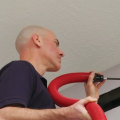
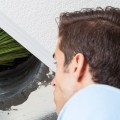
Understanding the air duct cleaning process is essential for homeowners who want to ensure their indoor air quality is optimal. A professional cleaning typically involves several key steps that help to remove dust, debris, and other contaminants from your air ducts.- Initial Inspection: The process begins with a thorough inspection of your air duct system.
Technicians will assess the condition of the ducts, looking for signs of mold, excessive dust buildup, or any blockages. This step is crucial as it helps determine the extent of cleaning required.
- Preparation: Before starting the cleaning, technicians will prepare the area by covering vents and registers with protective materials. This prevents dust and debris from escaping into your living spaces during the cleaning process.
- Vacuuming: Using specialized vacuum equipment, professionals will create a negative pressure in the duct system. This vacuuming process helps to pull out loose dirt and debris from the ducts.
The vacuum is often equipped with HEPA filters to ensure that even the smallest particles are captured.
- Brushing and Agitation: To dislodge stubborn dirt and contaminants that may be stuck to the duct walls, technicians will use rotary brushes or air whips. This agitation helps to ensure that all debris is effectively removed during the vacuuming phase.
- Cleaning Other Components: In addition to the ducts themselves, other components of your HVAC system, such as the blower motor, coils, and drain pan, should also be cleaned. This comprehensive approach ensures that your entire system operates efficiently.
- Final Inspection: After cleaning, a final inspection is conducted to ensure that all areas have been adequately addressed. Technicians may also provide you with before-and-after photos to demonstrate the effectiveness of their work.
It’s important to choose a reputable company that follows industry standards and uses proper techniques to ensure your ducts are left in a pristine duct condition.
Choosing a Reliable Air Duct Cleaning Service
When it comes to maintaining a healthy indoor environment, choosing a reliable air duct cleaning service is crucial. With numerous companies offering these services, it can be challenging to determine which one is trustworthy and effective. Here are some essential tips to help you make an informed decision.1.Research and Reviews
- Start by researching local air duct cleaning companies. Look for online reviews and testimonials from previous customers.
Websites like Yelp, Google Reviews, and the Better Business Bureau can provide valuable insights into a company's reputation.
- Pay attention to both positive and negative feedback. A company with a high number of satisfied customers is likely to be more reliable.
2.Verify Credentials
- Ensure that the service provider is licensed and insured. This protects you in case of any accidents or damages that may occur during the cleaning process.
- Check if the technicians are certified by recognized organizations, such as the National Air Duct Cleaners Association (NADCA). Certification indicates that they have undergone proper training and adhere to industry standards.
3.Ask the Right Questions
Before hiring an air duct cleaning service, consider asking the following questions:
- What cleaning methods do you use? Inquire about their techniques and equipment.
A reputable company should use advanced tools and methods that effectively remove dust and debris without damaging your ducts.
- Can you provide references? Request references from past clients to gauge their satisfaction with the service provided.
- What is included in your service? Ensure you understand what the cleaning process entails, including any additional services or fees that may apply.
- Do you offer a satisfaction guarantee? A reliable company should stand behind their work and offer a guarantee for customer satisfaction.
4.Get Multiple Estimates
Don’t settle for the first estimate you receive. Contact several companies to compare prices and services offered. Be cautious of prices that seem too good to be true; they may indicate subpar service or hidden fees.By following these guidelines, you can find a trustworthy air duct cleaning service that will help maintain your home’s air quality, ensuring your ducts remain pristine.
Potential Risks and Considerations of Air Duct Cleaning
While air duct cleaning can offer benefits, it is crucial to be aware of the potential risks and considerations associated with this process. Improper cleaning techniques can lead to more harm than good, making it essential to understand the drawbacks before proceeding.One of the primary concerns regarding air duct cleaning is the possibility of contaminating indoor air quality.If not performed correctly, cleaning can dislodge dust, mold, and other contaminants that have settled in the ducts, releasing them back into your living space. This can exacerbate respiratory issues and allergies, counteracting any potential benefits of cleaning.Another risk involves the use of inadequate equipment. Many service providers may use subpar tools that fail to effectively clean the ducts or, worse, damage them. For instance, using a vacuum that lacks sufficient suction power can leave behind debris, while aggressive brushing techniques can scratch or otherwise harm duct surfaces.
Improper sealing
after cleaning is another significant concern.
If ducts are not resealed correctly, they may allow contaminants from outside to enter the system. This can lead to increased energy costs as your HVAC system works harder to maintain temperature and airflow.Additionally, some companies may recommend unnecessary treatments or chemical biocides to eliminate microbial growth within ducts. However, these substances have not been thoroughly researched for safety and effectiveness in residential settings. Their use could introduce harmful chemicals into your home environment.To mitigate these risks, it is vital to choose a reputable service provider who follows industry standards and best practices.
Look for companies that are certified by organizations such as the National Air Duct Cleaners Association (NADCA) and have positive customer reviews.In summary, while air duct cleaning can be beneficial under certain circumstances, it is essential to approach it with caution. Understanding the potential risks and ensuring that proper procedures are followed will help you maintain a healthy indoor environment without compromising air quality.
Maintaining Pristine Ducts: Best Practices
Maintaining pristine ducts is essential for ensuring optimal indoor air quality and the efficient operation of your heating and cooling systems. While professional cleaning is important, there are several proactive measures homeowners can take to keep their air ducts clean between cleanings.Regular Filter Changes
One of the simplest yet most effective ways to maintain clean air ducts is by regularly changing your HVAC system's air filters. Clogged or dirty filters can restrict airflow, causing your system to work harder and potentially leading to dust and debris buildup in the ducts.Aim to check your filters monthly and replace them every 1-3 months, depending on usage and the type of filter.
Seal Ducts Properly
Ensure that all ductwork is properly sealed. Leaks in the ducts can allow dust and contaminants from unconditioned spaces to enter your system. Use mastic sealant or metal tape to seal any visible gaps or joints in the ductwork. This not only helps keep your ducts clean but also improves energy efficiency.Control Humidity Levels
High humidity can lead to mold growth within your ducts, which can severely impact indoor air quality.Use dehumidifiers in areas prone to moisture, such as basements, and ensure that your home’s ventilation system is functioning correctly. Keeping humidity levels between 30-50% can help prevent mold and mildew.
Keep Vents Clear
Regularly inspect and clean your vents to ensure they are free from obstructions. Furniture, curtains, and other items should not block airflow from vents. Vacuuming around vents can help remove dust buildup that could otherwise be drawn into the duct system.Schedule Regular Inspections
In addition to professional cleanings, consider scheduling regular inspections of your HVAC system and ductwork.A qualified technician can identify potential issues before they become significant problems, ensuring that your ducts remain in pristine condition.
Maintain a Clean Home
A clean home contributes significantly to maintaining clean air ducts. Regularly dusting surfaces, vacuuming carpets with a HEPA filter vacuum, and minimizing clutter can reduce the amount of dust that enters your duct system. Additionally, consider using doormats at entrances to trap dirt before it enters your home.By implementing these best practices, you can significantly enhance the cleanliness of your air ducts and improve the overall air quality in your home. Remember that prevention is key; taking these steps will help ensure that your ducts remain pristine until the next professional cleaning is due.FAQs About Air Duct Cleaning
When it comes to air duct cleaning, many homeowners have questions that stem from common misconceptions or a lack of information.Below are some frequently asked questions that can help clarify the importance and process of air duct cleaning.
1.How often should I clean my air ducts?
The frequency of air duct cleaning can vary based on several factors, including your location, the presence of pets, and whether anyone in your home suffers from allergies. Generally, it is recommended to have your air ducts cleaned every 3 to 5 years. However, if you notice significant dust buildup or have recently completed renovations, it may be wise to schedule a cleaning sooner.2.What are the signs that my air ducts need cleaning?
- Visible dust: If you see dust accumulating on vents or around your home, it may indicate that your ducts are dirty.
- Unpleasant odors: Foul smells coming from your HVAC system can suggest mold or debris in the ducts.
- Increased allergy symptoms: If you or your family members experience heightened allergy symptoms indoors, dirty ducts could be a contributing factor.
3.Can air duct cleaning improve my indoor air quality?
While cleaning your air ducts can help remove dust and allergens that may be circulating in your home, it is just one aspect of maintaining good indoor air quality. Regular maintenance of your HVAC system, using high-quality filters, and ensuring proper ventilation are also crucial for achieving pristine indoor air quality.4.Is DIY air duct cleaning effective?
While some homeowners may attempt to clean their air ducts themselves, professional services are generally more effective.Professionals use specialized equipment and techniques to thoroughly clean the entire system, including hard-to-reach areas that DIY methods may miss.
5.Are there any risks associated with air duct cleaning?
If performed incorrectly, air duct cleaning can potentially cause more harm than good. For instance, improper techniques can dislodge dust and debris, causing it to circulate back into your home. Therefore, it's essential to hire a qualified and reputable service provider who follows industry standards.By addressing these common questions about air duct cleaning, homeowners can make informed decisions regarding their HVAC systems and indoor air quality. Understanding the facts helps dispel myths and reinforces the importance of maintaining a clean and healthy living environment.Conclusion: Making Informed Decisions About Air Duct Cleaning
In conclusion, understanding the nuances of air duct cleaning is essential for homeowners who wish to maintain a healthy indoor environment.Throughout this article, we have explored various myths and facts surrounding the practice of cleaning air ducts, emphasizing the need for a well-informed approach.One of the most significant takeaways is that while cleaning air ducts can be beneficial in certain situations, it is not a universal solution for improving indoor air quality. The Environmental Protection Agency (EPA) suggests that air ducts should only be cleaned when there is clear evidence of contamination or if specific conditions warrant it. This means that routine cleaning may not be necessary for every household.Moreover, it is crucial to recognize that indoor air quality can be affected by numerous factors beyond just dirty ducts. Activities such as cooking, smoking, and even the presence of pets can contribute to the overall air quality in your home.
Therefore, focusing solely on duct cleaning may overlook other significant sources of indoor pollution.When considering whether to clean your air ducts, it is vital to assess your unique circumstances. If you notice signs of mold growth, excessive dust accumulation, or pest infestations within your ductwork, these may be valid reasons to seek professional cleaning services. However, if your ducts are relatively clean and you maintain good overall home hygiene, frequent cleaning may not yield substantial benefits.Additionally, if you decide to proceed with air duct cleaning, ensure that you choose a reputable service provider. Look for companies that adhere to industry standards and have positive customer reviews.
A qualified technician will not only clean your ducts effectively but also provide insights into maintaining a pristine duct system moving forward.Ultimately, making informed decisions about air duct cleaning involves weighing the potential benefits against the costs and understanding the broader context of indoor air quality. By separating fact from fiction and relying on credible information, you can take proactive steps to enhance your home's air quality without falling prey to common misconceptions.