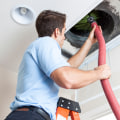
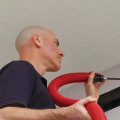
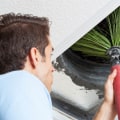
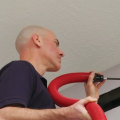
Duct cleaning is a process that involves the removal of dust, debris, and other contaminants from the ductwork of heating, ventilation, and air conditioning (HVAC) systems. Homeowners often consider this service with the hope of improving indoor air quality and enhancing the efficiency of their HVAC systems. However, the reality of duct cleaning is often clouded by misconceptions and exaggerated claims made by some service providers. Understanding what duct cleaning truly entails is essential for making informed decisions about whether it is necessary for your home.At its core, duct cleaning aims to eliminate accumulated particles that can circulate through your home’s air supply.
This includes dust, pollen, pet dander, and even mold spores. Many homeowners are motivated to seek out duct cleaning services due to concerns about allergies or respiratory issues that may be exacerbated by poor air quality. Additionally, some believe that a clean duct system can lead to lower energy bills by allowing their HVAC systems to operate more efficiently.Despite these common beliefs, it is crucial to approach duct cleaning with a critical eye. The importance of this service can vary significantly based on individual circumstances, such as the age of the home, the presence of pets, and existing air quality issues.
While some may find value in having their ducts cleaned, others may discover that regular maintenance practices—like changing air filters and ensuring proper ventilation—are sufficient for maintaining a healthy indoor environment.As we delve deeper into the topic of duct cleaning, we will explore the myths and facts surrounding this practice. By separating fact from fiction, homeowners can better understand whether investing in pristine duct cleaning services is truly beneficial or if it’s merely a marketing ploy designed to capitalize on their concerns.
Common Myths About Duct Cleaning
When it comes to duct cleaning , numerous myths and misconceptions can cloud homeowners' judgment. Understanding these myths is essential for making informed decisions about your HVAC system and home maintenance.Myth 1: Duct Cleaning is Essential for Health
One of the most pervasive myths is that duct cleaning is crucial for maintaining good health. Many companies promote this idea, claiming that dirty ducts can lead to respiratory issues and allergies.However, research has shown that there is no substantial evidence linking duct cleanliness directly to health benefits. While it’s true that dust and allergens can accumulate in ducts, the primary source of indoor air quality issues often lies elsewhere, such as in carpets, upholstery, and other surfaces.
Myth 2: Duct Cleaning Improves Energy Efficiency
Another common belief is that cleaning your ducts will enhance the efficiency of your HVAC system, leading to lower energy bills. In reality, while clean ducts may seem beneficial, studies indicate that the impact on energy efficiency is negligible. Factors such as proper insulation, regular maintenance of the HVAC unit, and changing air filters play a far more significant role in energy consumption than duct cleanliness.Myth 3: All Duct Cleaning Services are the Same
Homeowners often assume that all duct cleaning services provide the same level of quality.This misconception can lead to poor choices when selecting a service provider. In truth, the methods and equipment used can vary significantly between companies. Some may use outdated techniques that do not effectively remove debris or contaminants, while others employ advanced technology for thorough cleaning. It’s crucial to research and choose a reputable company with positive reviews and proven results.
Myth 4: Duct Cleaning is a One-Time Solution
Many people believe that once their ducts are cleaned, they will remain pristine indefinitely.However, ducts naturally accumulate dust and debris over time due to regular use of the HVAC system. Factors such as pets, construction work, or even seasonal changes can contribute to this buildup. Therefore, while duct cleaning can be beneficial at times, it should not be viewed as a permanent fix but rather as part of an ongoing maintenance plan.By debunking these common myths about duct cleaning, homeowners can make better decisions regarding their HVAC systems and overall home health. Understanding the facts allows for more effective maintenance strategies that prioritize genuine improvements in air quality and energy efficiency.
The Science Behind Duct Cleaning
When it comes to duct cleaning, many homeowners are left wondering about the actual science behind the process.While duct cleaning companies often tout their services as essential for maintaining a healthy home environment, the scientific evidence supporting these claims is surprisingly limited.Several studies have attempted to evaluate the effectiveness of duct cleaning. One notable research project conducted by the Environmental Protection Agency (EPA) found that while ducts can accumulate dust and debris over time, the act of cleaning them does not necessarily lead to improved indoor air quality. In fact, the EPA suggests that regular maintenance of HVAC systems, including changing filters and ensuring proper ventilation, is far more effective in promoting a healthy indoor environment.Another study published in the Journal of Occupational and Environmental Hygiene examined the impact of duct cleaning on air quality in residential settings. The findings indicated that while some homes showed a temporary reduction in particulate matter immediately after cleaning, these effects were short-lived.
Within weeks, dust levels returned to baseline measurements, suggesting that duct cleaning alone is not a long-term solution for improving air quality.Moreover, a comprehensive review by the National Air Duct Cleaners Association (NADCA) highlighted that many claims made by duct cleaning companies lack rigorous scientific backing. The review emphasized that while ducts can harbor contaminants, the mere presence of dust does not equate to a health risk. In fact, most indoor air quality issues stem from other sources such as inadequate ventilation or poor filter maintenance.In light of this evidence, it becomes clear that homeowners should approach duct cleaning with caution. Instead of relying solely on duct cleaning services, consider implementing a holistic approach to indoor air quality management.
This includes:
- Regularly changing air filters to prevent dust buildup.
- Ensuring proper ventilation throughout your home.
- Conducting routine HVAC maintenance to keep your system running efficiently.
Potential Risks of Duct Cleaning
While duct cleaning may seem like a straightforward solution to improve indoor air quality, it is essential to consider the potential risks associated with this service. Homeowners should be aware that duct cleaning can lead to various issues, particularly concerning the integrity of their HVAC systems.One of the primary concerns is the risk of HVAC system damage. During the cleaning process, technicians often use powerful vacuums and brushes to dislodge dirt and debris from the ducts.However, if not handled properly, these tools can cause significant harm. For instance:
- Duct Damage: The forceful removal of debris can lead to tears or punctures in the ductwork, which can compromise the entire system's efficiency.
- Dislodging Contaminants: Cleaning may inadvertently release trapped contaminants into the air, leading to a temporary spike in dust and allergens.
- Improper Reassembly: If ducts are disassembled for cleaning and not reassembled correctly, it can result in air leaks that reduce system efficiency and increase energy costs.
- Chemical Residues: The use of harsh chemicals during cleaning can leave residues that may be harmful when circulated through your home’s air.
- Inexperienced Technicians: Hiring unqualified personnel can exacerbate risks, as they may lack the knowledge required to perform the job safely and effectively.
It is crucial to conduct thorough research and consult with reputable HVAC professionals before deciding on duct cleaning services. Prioritizing regular maintenance and filter changes may provide a safer and more effective approach to ensuring good indoor air quality without exposing your HVAC system to unnecessary risks.
When Is Duct Cleaning Necessary?
Understanding when duct cleaning is necessary can help homeowners maintain a healthy indoor environment and ensure their HVAC systems operate efficiently. While regular maintenance is crucial, there are specific situations where duct cleaning becomes essential.1.After Home Renovations
One of the most critical times to consider duct cleaning is after significant home renovations. During renovations, dust, debris, and other contaminants can accumulate in the ductwork.This is especially true if the work involves demolition or construction activities that generate a lot of dust. Cleaning the ducts post-renovation can help eliminate these particles, ensuring that your indoor air quality remains pristine.
2.Visible Mold Growth
If you notice mold growth inside your ducts or on other components of your HVAC system, it’s time to call in professionals for a thorough cleaning. Mold can pose serious health risks, particularly for individuals with respiratory issues or allergies. It’s essential to address any mold problems promptly to prevent further contamination and health complications.3.Pest Infestations
Another sign that duct cleaning may be necessary is evidence of pest infestations, such as rodents or insects.These pests can leave behind droppings and other debris that can contaminate your air supply. If you suspect that pests have made their way into your ductwork, it’s crucial to have the ducts cleaned and inspected to ensure they are free from harmful contaminants.
4.Unexplained Allergies or Respiratory Issues
If you or your family members experience unexplained allergies or respiratory problems, dirty ducts could be a contributing factor. While many factors can influence air quality, having your ducts cleaned may help alleviate symptoms if they are linked to dust and allergens trapped in the system.5.Excessive Dust Accumulation
If you find yourself constantly dusting surfaces in your home, it may indicate that your ducts are dirty and releasing dust into the air. While some dust accumulation is normal, excessive amounts can suggest that a cleaning is warranted.6.Recent HVAC System Installation
After installing a new HVAC system, it’s wise to have the ducts cleaned as well.This ensures that any debris left from the installation process does not circulate through your home’s air supply.In summary, while regular duct cleaning may not be necessary for every household, certain situations warrant immediate attention. By recognizing these signs and taking action when needed, homeowners can maintain a healthier living environment and enhance the efficiency of their HVAC systems.
Alternatives to Duct Cleaning for Pristine Ducts
While duct cleaning is often marketed as a necessary service for maintaining air quality, there are several effective alternatives that can help keep your ducts pristine without the potential downsides of cleaning. Here are some practical strategies to consider:- Regular HVAC Maintenance: Schedule routine check-ups for your HVAC system. A professional technician can inspect and service your system, ensuring it operates efficiently and effectively.
This includes checking for leaks, ensuring proper airflow, and cleaning components that can impact air quality.
- Change Air Filters Frequently: One of the simplest yet most effective ways to maintain air quality is by regularly changing your air filters. Depending on usage, filters should be replaced every 1-3 months. Clean filters trap dust, allergens, and other particles, preventing them from circulating through your home.
- Use High-Efficiency Filters: Consider upgrading to high-efficiency particulate air (HEPA) filters. These filters capture smaller particles than standard filters, significantly improving indoor air quality.
Ensure that your HVAC system is compatible with these filters before making the switch.
- Seal Ducts Properly: Inspect your ductwork for any leaks or gaps that could allow dust and pollutants to enter the system. Sealing these leaks not only improves efficiency but also helps maintain cleaner air in your home.
- Control Humidity Levels: High humidity can lead to mold growth in ducts and other areas of your home. Use dehumidifiers or ensure your HVAC system has a built-in humidity control feature to keep moisture levels in check.
- Maintain a Clean Home: Regularly dusting and vacuuming your home can significantly reduce the amount of dust that enters your ducts. Pay special attention to areas where dust tends to accumulate, such as carpets, upholstery, and vents.
These practices not only help keep your ducts pristine, but they also contribute to a healthier living environment overall.
FAQs About Duct Cleaning
When it comes to duct cleaning, many homeowners have questions that stem from confusion or misinformation. Here are some of the most frequently asked questions about duct cleaning, along with clear and concise answers to help you make informed decisions.1.How often should I have my ducts cleaned?
The frequency of duct cleaning can vary based on several factors, including your location, the presence of pets, and whether anyone in your home suffers from allergies. Generally, it is recommended to have your ducts cleaned every 3 to 5 years. However, if you notice excessive dust accumulation or experience respiratory issues, it may be wise to schedule a cleaning sooner.2.What are the signs that my ducts need cleaning?
- Visible dust: If you can see dust or debris around your vents or registers, it may indicate that your ducts are dirty.
- Unpleasant odors: Foul smells coming from your HVAC system can be a sign of mold or mildew in the ducts.
- Increased allergy symptoms: If you or your family members experience heightened allergy symptoms when the HVAC system is running, it could be due to dirty ducts.
3.Does duct cleaning improve indoor air quality?
While some homeowners report feeling that their indoor air quality improves after duct cleaning, scientific evidence supporting this claim is limited.The improvement in air quality may often be attributed to other factors such as changing air filters regularly or general home maintenance practices.
4.Can duct cleaning save me money on energy bills?
Many companies claim that duct cleaning can enhance system efficiency and lower energy costs. However, studies have shown that while clean ducts can contribute to better airflow, the actual savings on energy bills may not be significant enough to justify the cost of cleaning.5.Is duct cleaning safe for my HVAC system?
If performed by a qualified professional using appropriate methods, duct cleaning is generally safe for your HVAC system. However, improper techniques can potentially damage components of your system or lead to further issues. Always ensure you hire a reputable company with experience in duct maintenance.By addressing these common questions about duct cleaning, homeowners can better understand the process and make informed choices regarding their HVAC maintenance needs.Conclusion: Making Informed Decisions About Duct Cleaning
In conclusion, understanding the realities of duct cleaning is essential for homeowners who want to make informed decisions about their HVAC systems.Throughout this article, we have explored various myths and misconceptions surrounding duct cleaning, revealing that many of the claims made by service providers lack substantial evidence. It is crucial to recognize that while clean ducts may seem appealing, the actual benefits are often overstated.One of the most significant takeaways is that duct cleaning is not a routine necessity for maintaining a healthy home environment. The assertion that it directly improves indoor air quality or reduces health issues is not supported by credible research. Instead, factors such as regular filter changes and proper ventilation play a more critical role in ensuring clean air.Moreover, the potential risks associated with duct cleaning should not be overlooked.
Improper cleaning techniques can lead to damage within your HVAC system, resulting in costly repairs and inefficiencies. Therefore, it is vital to approach duct cleaning with caution and skepticism.To prioritize your home's air quality and system efficiency, focus on regular HVAC maintenance practices:
- Change air filters regularly to prevent dust and debris buildup.
- Schedule routine inspections with a qualified HVAC technician to ensure your system operates efficiently.
- Keep vents unobstructed and clean to promote proper airflow.
- Consider air purifiers or other solutions if you have specific concerns about allergens or pollutants.