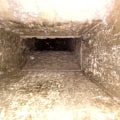
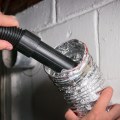
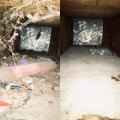
Air ducts play a crucial role in maintaining the comfort and air quality of our homes. They are the pathways through which heated or cooled air circulates, ensuring that every room receives the desired temperature. However, many homeowners overlook the importance of air duct cleaning , often assuming that their HVAC systems will function optimally without regular maintenance. This misconception can lead to a host of problems, both for the efficiency of the system and the health of those living in the home.Over time, air ducts can accumulate a variety of contaminants, including dust, allergens, and even mold.
These particles not only hinder airflow but can also pose significant health risks. For individuals with respiratory issues or allergies, dirty air ducts can exacerbate symptoms and lead to serious health complications. The air we breathe indoors can be more polluted than outdoor air, making it essential to ensure that our ducts remain pristine and free from harmful substances.Neglecting air duct cleaning is not just a matter of comfort; it is a matter of health and safety. The buildup of debris can lead to poor indoor air quality, which has been linked to various health issues such as asthma, allergies, and other respiratory conditions.
Furthermore, dirty ducts can strain your HVAC system, leading to increased energy consumption and costly repairs. Understanding the significance of maintaining clean air ducts is vital for every homeowner who values their family's well-being and their home's efficiency.
What Are Air Ducts and Their Role in Your Home?
Air ducts are an essential component of your home’s heating, ventilation, and air conditioning (HVAC) system. They are the pathways through which conditioned air flows, ensuring that every room in your house receives the appropriate temperature and air quality. Understanding what air ducts are and their role in your home is crucial for maintaining a healthy living environment.Essentially, air ducts are hollow tubes made from various materials such as sheet metal, fiberglass, or flexible plastic.These ducts are strategically installed throughout your home to facilitate the movement of air from your HVAC system to different areas. The primary functions of air ducts include:
- Distribution of Air: Air ducts transport heated or cooled air from the HVAC unit to each room, ensuring consistent temperatures throughout your home.
- Ventilation: They help in circulating fresh air into your living spaces while expelling stale air, which is vital for maintaining indoor air quality.
- Humidity Control: Properly functioning ducts assist in regulating humidity levels, preventing issues like mold growth and discomfort.
When airflow is restricted due to debris buildup, your system has to work harder to maintain desired temperatures, leading to increased energy consumption and higher utility bills. Regular cleaning of your air ducts not only enhances the performance of your HVAC system but also contributes to a healthier indoor environment.In summary, understanding the function and importance of air ducts is vital for homeowners. By ensuring that these pathways remain clean and unobstructed, you can improve both the efficiency of your HVAC system and the overall quality of the air you breathe.
The Consequences of Neglecting Air Duct Cleaning
Neglecting air duct cleaning can lead to a myriad of consequences that affect both your health and your finances. Understanding these implications is crucial for maintaining a safe and efficient home environment.Health Risks from Contaminants
One of the most alarming consequences of dirty air ducts is the potential health risks posed by airborne contaminants.
Over time, dust, pollen, pet dander, mold spores, and other allergens can accumulate within your air ducts. When your HVAC system operates, these particles are circulated throughout your home, leading to:
- Respiratory Issues: Inhaling contaminated air can exacerbate asthma and allergies, causing symptoms such as coughing, sneezing, and difficulty breathing.
- Increased Illness: A buildup of bacteria and mold can lead to infections and illnesses, particularly in vulnerable populations such as children and the elderly.
- Unexplained Symptoms: If you or your family members experience unexplained headaches, fatigue, or other symptoms, dirty air ducts may be a contributing factor.
Financial Implications
The financial burden of neglecting air duct cleaning extends beyond potential medical expenses. A clogged duct system forces your HVAC unit to work harder to maintain desired temperatures, leading to:
- Increased Energy Bills: When your system is overworked, it consumes more energy, resulting in higher utility costs.
- Frequent Repairs: The strain on your HVAC system can lead to mechanical failures and breakdowns, necessitating costly repairs or even premature replacement of the unit.
- Reduced Lifespan of Equipment: Regular maintenance, including air duct cleaning, can extend the life of your HVAC system. Neglecting this task may shorten its lifespan significantly.
From serious health risks associated with poor indoor air quality to significant financial implications due to increased energy consumption and repair costs, it is clear that maintaining pristine ducts is essential for both well-being and economic efficiency. Prioritizing regular air duct cleaning not only safeguards your family's health but also protects your investment in your home.
Common Contaminants Found in Dirty Air Ducts
Air ducts serve as the lungs of your home, circulating air throughout your living spaces. However, over time, these vital components can become breeding grounds for a variety of contaminants that pose serious health risks. Understanding what accumulates in your air ducts is crucial for recognizing the importance of regular cleaning.Here are some of the most common contaminants found in dirty air ducts:- Dust: One of the most prevalent pollutants, dust consists of tiny particles that can include dirt, skin flakes, and fibers from clothing and furniture.
When air circulates through dirty ducts, it can stir up this dust, leading to respiratory issues and allergies.
- Mold: Mold thrives in damp environments, and if moisture enters your air ducts, it can create an ideal breeding ground. Mold spores can be released into the air you breathe, potentially causing serious health problems such as asthma attacks and allergic reactions.
- Allergens: Common allergens like pollen, pet dander, and dust mites can accumulate in your air ducts. These allergens can trigger allergic reactions and exacerbate conditions like asthma, making it essential to keep your ducts clean.
- Bacteria: Dirty air ducts can harbor harmful bacteria that may lead to infections or other health complications. When these bacteria are circulated through your home, they can compromise indoor air quality and pose risks to vulnerable individuals.
- Volatile Organic Compounds (VOCs): VOCs are chemicals found in many household products such as paints, cleaners, and adhesives.
Over time, these compounds can accumulate in your air ducts and contribute to poor indoor air quality.
Health Risks Associated with Poor Indoor Air Quality
Indoor air quality is a critical aspect of our living environment, yet it is often overlooked.When air ducts are not cleaned regularly, they can become a breeding ground for various contaminants that pose significant health risks. The air we breathe indoors can be more polluted than outdoor air, primarily due to the accumulation of dust, mold, pet dander, and other allergens in the ductwork.
Respiratory Issues
One of the most immediate health concerns associated with poor indoor air quality is the development of respiratory issues. Contaminants circulating through your HVAC system can lead to:
- Asthma: Exposure to allergens and irritants can trigger asthma attacks or exacerbate existing conditions.
- Chronic Obstructive Pulmonary Disease (COPD): Long-term exposure to polluted indoor air can contribute to the progression of COPD.
- Bronchitis: Inhalation of dust and other particles can lead to inflammation of the bronchial tubes, resulting in chronic bronchitis.
Allergies and Sensitivities
For individuals with allergies or sensitivities, dirty air ducts can significantly worsen symptoms. Common allergens found in unclean ducts include:
- Pollen: Seasonal pollen can enter your home and become trapped in the ductwork.
- Mold Spores: Mold thrives in damp environments, and if moisture accumulates in your ducts, it can release spores into the air.
- Dust Mites: These microscopic creatures feed on dead skin cells and thrive in dusty environments.
In severe cases, prolonged exposure may even lead to more serious health complications.
Other Health Problems
Beyond respiratory issues and allergies, neglecting air duct cleaning can contribute to a range of other health problems:
- Fatigue: Poor air quality can lead to chronic fatigue as your body struggles to cope with inhaling contaminated air.
- Headaches: Inhalation of pollutants may trigger headaches or migraines in sensitive individuals.
- Cognitive Impairment: Studies suggest that poor indoor air quality may affect cognitive function and overall mental clarity.
Signs That Your Air Ducts Need Cleaning
Recognizing the signs that your air ducts need cleaning is crucial for maintaining a healthy indoor environment. Ignoring these indicators can lead to a buildup of contaminants that may affect your family's health and comfort.Here are some key signs to watch for:
- Increased Allergies or Respiratory Issues: If you or your family members experience heightened allergy symptoms, such as sneezing, coughing, or nasal congestion, it may be a sign that your air ducts are harboring dust, mold, or other allergens. Regular cleaning can help alleviate these symptoms.
- Visible Dust Accumulation: If you notice a layer of dust settling on your furniture shortly after cleaning, it could indicate that your air ducts are dirty. Dust particles circulating through the air can settle on surfaces, making it clear that your ducts need attention.
- Unpleasant Odors: Foul smells emanating from your vents can signal the presence of mold or mildew within the ductwork. These odors can be particularly concerning as they may indicate a serious contamination issue that requires immediate cleaning.
- Inconsistent Airflow: If certain rooms in your home feel stuffy or do not receive adequate airflow, it may be due to blockages in the duct system.
Clogged ducts can restrict airflow, leading to uneven heating or cooling throughout your home.
- Increased Energy Bills: A sudden spike in your energy bills could be a sign that your HVAC system is working harder than necessary due to dirty air ducts. When ducts are clogged with debris, the system has to exert more effort to maintain desired temperatures, resulting in higher energy costs.
- Recent Renovations: If you've recently completed home renovations or construction work, it's wise to have your air ducts inspected and cleaned. Renovation projects can introduce dust and debris into the duct system, necessitating a thorough cleaning to ensure clean air circulation.
How Often Should You Clean Your Air Ducts?
Determining how often to clean your air ducts is crucial for maintaining a healthy indoor environment.While the general recommendation is to schedule air duct cleaning every three to five years, several factors can influence this timeline. Understanding these factors can help you establish a more personalized maintenance schedule.
Household Size and Activity Level
- If you live in a larger household with multiple occupants, the air ducts may accumulate dust and debris more quickly. Increased foot traffic and daily activities can lead to higher levels of contaminants circulating through your HVAC system.
- Families with children or elderly members may want to consider more frequent cleanings, as these groups can be more susceptible to respiratory issues caused by poor air quality.
Presence of Pets
- Homes with pets often require more regular air duct cleaning. Pet dander, hair, and other allergens can build up in the ducts, leading to decreased air quality and potential health risks for family members.
- If you have multiple pets or if they shed frequently, consider scheduling duct cleaning at least once every two years.
Smoking Habits
- If anyone in your household smokes, it’s advisable to clean your air ducts more frequently.
Tobacco smoke can leave behind harmful residues that not only affect air quality but also contribute to unpleasant odors.
- In such cases, an annual cleaning may be beneficial to mitigate these effects.
Allergies and Respiratory Issues
- If you or any family members suffer from allergies or respiratory conditions, regular air duct cleaning becomes even more critical. Dust mites, mold spores, and other allergens can thrive in dirty ducts, exacerbating symptoms.
- Consulting with a healthcare professional can provide insights into how often you should clean your ducts based on specific health concerns.
Recent Renovations or Construction
- If you've recently completed renovations or construction work in your home, it’s wise to have your air ducts cleaned soon after. These activities can introduce significant amounts of dust and debris into your HVAC system.
- A thorough cleaning post-renovation helps ensure that your indoor air remains pristine and free from harmful particles.
DIY vs.
Professional Air Duct Cleaning: What You Need to KnowWhen it comes to maintaining a healthy home environment, air duct cleaning is often overlooked. Homeowners frequently face the dilemma of whether to tackle this task themselves or hire a professional service. Understanding the pros and cons of both approaches can help you make an informed decision that best suits your needs.
DIY Air Duct Cleaning
Many homeowners consider DIY air duct cleaning as a cost-effective solution. With the right tools and some basic knowledge, it can seem like a feasible option.Here are some advantages and disadvantages of going the DIY route:
- Pros:
- Cost Savings: The most significant advantage is the potential for saving money on labor costs associated with hiring professionals.
- Control: You have complete control over the cleaning process, allowing you to address specific areas of concern.
- Flexibility: You can choose when to clean your ducts, fitting it into your schedule without needing to coordinate with a service provider.
- Cons:
- Lack of Expertise: Without professional training, you may not effectively remove all contaminants, leaving harmful particles behind.
- Risk of Damage: Improper cleaning techniques can damage your ducts or HVAC system, leading to costly repairs.
- Time-Consuming: Cleaning air ducts can be labor-intensive and time-consuming, especially if you lack experience.
Professional Duct Cleaning Services
On the other hand, hiring a professional duct cleaning service offers its own set of benefits and drawbacks. Here’s what you should consider:- Pros:
- Thorough Cleaning: Professionals have specialized equipment and training to ensure a comprehensive cleaning that removes dust, allergens, and other contaminants effectively.
- Time Efficiency: Hiring experts saves you time and effort, allowing you to focus on other important tasks.
- Health Benefits: A professional service can significantly improve indoor air quality, reducing health risks associated with dirty ducts.
- Cons:
- Cost: Professional services can be expensive, which may deter some homeowners from opting for this route.
- Lack of Control: You may have less control over the cleaning process and timing compared to doing it yourself.
The Financial Impact of Neglecting Air Duct Cleaning
Neglecting air duct cleaning can have significant financial repercussions that extend far beyond the immediate costs of cleaning.Homeowners often overlook the importance of maintaining pristine ducts , leading to a cascade of expenses that can strain budgets and impact overall home comfort.One of the most immediate financial impacts of dirty air ducts is the increase in energy bills. When air ducts are clogged with dust, debris, and other contaminants, your HVAC system must work harder to circulate air throughout your home. This increased workload translates into higher energy consumption, which can lead to monthly utility bills that are significantly inflated. In fact, studies suggest that homeowners can save up to 30% on energy costs by ensuring their air ducts are clean and free from obstructions.Moreover, the inefficiency caused by neglected air ducts can lead to premature wear and tear on your HVAC system.
When components like compressors and fans are forced to operate under duress, they are more likely to fail. This can result in costly repairs or even the need for a complete system replacement. The average cost of replacing an HVAC system can range from $5,000 to $10,000, depending on the size and type of system. Regular air duct cleaning can help extend the lifespan of your HVAC unit, ultimately saving you money in the long run.Additionally, dirty ducts can contribute to poor indoor air quality, which may lead to health issues for you and your family.
Health problems often result in increased medical expenses, which can add up over time. By investing in regular air duct cleaning, you not only improve your home's air quality but also potentially reduce healthcare costs associated with respiratory issues and allergies.In summary, the financial impact of neglecting air duct cleaning is multifaceted. From rising energy bills to costly HVAC repairs and potential health-related expenses, maintaining pristine ducts is a wise investment for any homeowner. Prioritizing regular cleaning not only enhances comfort but also safeguards your finances against unnecessary expenditures.
<strong>Conclusion: Prioritizing Pristine Ducts for a Healthier Home</strong>
In conclusion, the importance of maintaining pristine ducts cannot be overstated.Regular air duct cleaning is not merely a recommendation; it is a necessity for ensuring the health and safety of your household. The accumulation of dust, allergens, and other harmful contaminants in your air ducts can lead to serious health issues, particularly for vulnerable individuals such as children, the elderly, and those with pre-existing respiratory conditions.Moreover, neglecting air duct maintenance can have significant financial implications. A clogged system forces your HVAC unit to work harder, leading to increased energy consumption and higher utility bills. Over time, this added strain can result in costly repairs or even premature replacement of your heating and cooling systems.
By investing in regular cleaning, you not only enhance the air quality in your home but also extend the lifespan of your HVAC equipment.As we navigate through an era where indoor air quality is more critical than ever, prioritizing pristine ducts should be at the forefront of every homeowner's mind. The COVID-19 pandemic has highlighted the need for clean air environments, making it essential to ensure that our living spaces are free from pollutants that can exacerbate health issues.To maintain a healthy home environment:
- Schedule regular professional cleanings: Aim for every three to five years, or more frequently if you have pets or allergies.
- Monitor indoor air quality: Use air quality monitors to keep track of pollutants and allergens in your home.
- Change filters regularly: Ensure that HVAC filters are replaced according to manufacturer recommendations to trap dust and allergens effectively.
- Consider additional air purification systems: These can help further reduce contaminants in your indoor air.